

An Opportunity to Shine
Student – Hi Lama, usually, I’m an optimistic person, but when I look at the current state of the planet, I feel nothing but despair. It seems that the human race is consumed by greed and self-interest, leading to a marked decline in the calibre of world leaders. Meanwhile, global warming is not receiving the response required to prevent a catastrophe. As a Buddhist, how should I view the situation? Moreover, is there anything I can do to instigate positive change, or should I just accept it as our collective human karma and do nothing? Thank you.
Master – We are in the Dharma-ending or degenerate age, a period that began between 1,500 and 2,000 years after the Buddha’s passing into nirvana and that is expected to last for around 10,000 years.
According to several Mahayana Buddhist texts and commentaries, society will experience significant decline during this period, leading to:
- A deterioration of ethical and moral standards, resulting in increased dishonesty, corruption, and unethical behavior.
- Diminishing faith in and understanding of the Buddha’s teachings, causing a decline in religious practices and a general sense of emptiness.
- Material wealth and worldly pleasures become more important, overshadowing spiritual pursuits and leading to greater attachment and desire.
- A marked decline in wisdom-based moral values, leading to social disharmony, increased conflict, violence, and division within families and communities.
- A disregard for the environment, resulting in pollution, deforestation, and other forms of ecological harm.
Many of these predictions have already come true. Conflicts between siblings over property and step-parents neglecting children in their care have become so frequent that they no longer provoke outrage. The melting of glaciers and the emergence of new viruses are now accepted as normal. Meanwhile, the pursuit of short-term material gains at the expense of social harmony and environmental well-being has become a standard way of living.
While the current situation may appear bleak, it’s crucial to understand that the idea of a Dharma-ending age doesn’t mean the Dharma will disappear completely. Instead, it suggests that the teachings are prone to distortion and are less widely available. Nevertheless, there are still opportunities for individuals to practice compassion, meditation, wisdom, and ultimately attain awakening.
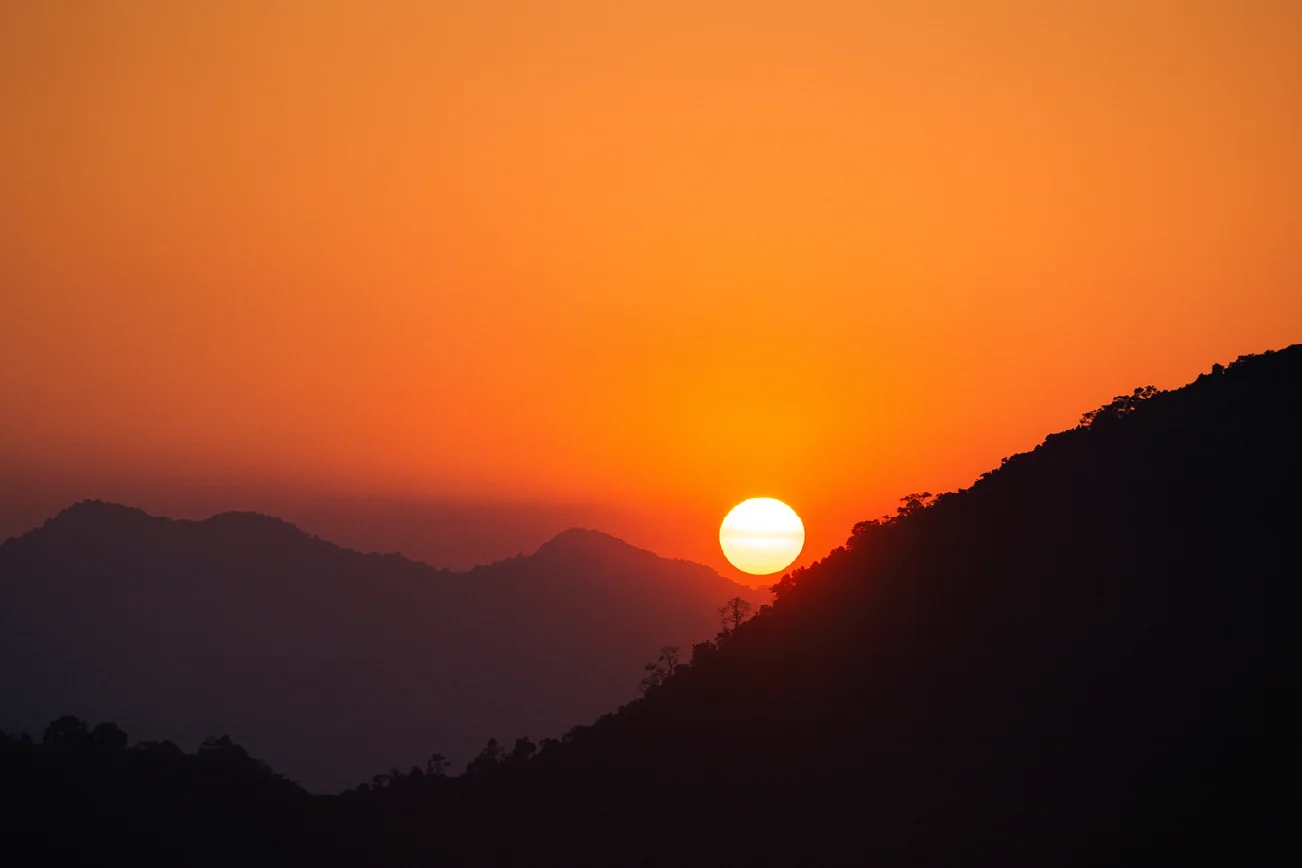
In addition, past masters have taught that just as the moon shines most brightly in the darkest nights, the teachings of the Vajrayana, which we follow here in Bhutan, will illuminate even more during times of degeneration.
The Dharma-ending age is a consequence of our collective karma, and since karma is not a fixed destiny, it can be modified. It might be helpful to imagine the Dharma-ending age as a large truck racing down a mountain. The brakes are broken, and the slope is steep, but the driver has the ability to steer the vehicle in a way that lessens the impact.
This might not be a perfect example, but what I’m trying to convey is that although we cannot stop the full force of the ending age, we can still work with the circumstances. It is not totally hopeless.
Furthermore, here in Bhutan, we have the best tools — the Vajrayana teachings — to guide us through this age. We just need to recognize this spiritual treasure that Guru Rinpoche has bequeathed us.
However, as the Dharma-ending age pulls people toward materialism, many will fail to recognize this treasure. Instead, we will become captivated by wealth, status, and possessions, while the precious teachings and practices will be exploited for short-term material and worldly gain rather than for awakening to the truth.
We will be akin to a blind man living in a house full of jewels, yet begging outside because he cannot see their worth, or reminiscent of someone who doesn’t understand the value of precious metal and uses gold leaf as toilet paper.
Alternatively, we are similar to a person who wins a lottery, but instead of using the money to bring long-term and profound benefits, squanders it on trivial distractions and fleeting pleasures.
To prevent wasting the precious gift we’ve been given and to counter the distortions that will arise with the Dharma-ending age, Dudjom Jigdral Yeshe Dorje Rinpoche urged practitioners to stay vigilant, disciplined, and committed to safeguarding the true essence of the Dharma.
Guru Yoga and devotion to the guru are particularly appropriate practices for these times. Additionally, the construction and preservation of stupas play an important role in preserving the Dharma.
Rather than succumbing to pessimism, practitioners should view the challenges of the Dharma-ending age as an opportunity to intensify their practice with renewed vigour and urgency. Although true teachers may be rare, we should still value those who embody even a few noble qualities and nurture a spiritual connection with them.
Dzongsar Khyentse Rinpoche recommends that we emphasize compassion in these times: “To address the decline of both society and the environment, we must practice compassion, not just for humans, but for all sentient beings. Every action we take has consequences, and we must act responsibly to preserve the Earth for future generations.”
As Rinpoche advises, empathy for others and compassion for the environment are particularly important in these difficult times. While many of us will wholeheartedly agree with this, do we genuinely integrate these values into our daily lives, or do we simply view them as goals for society as a whole?
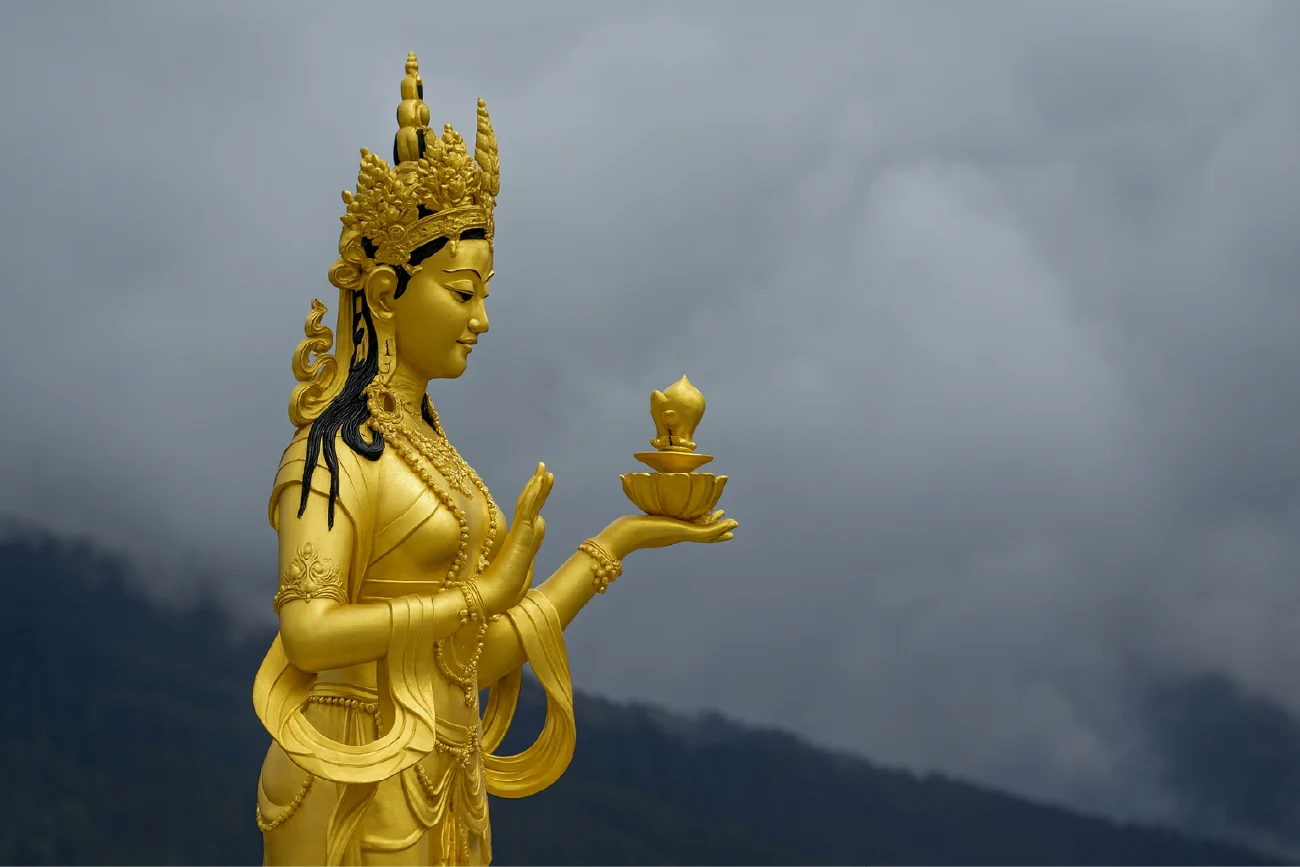
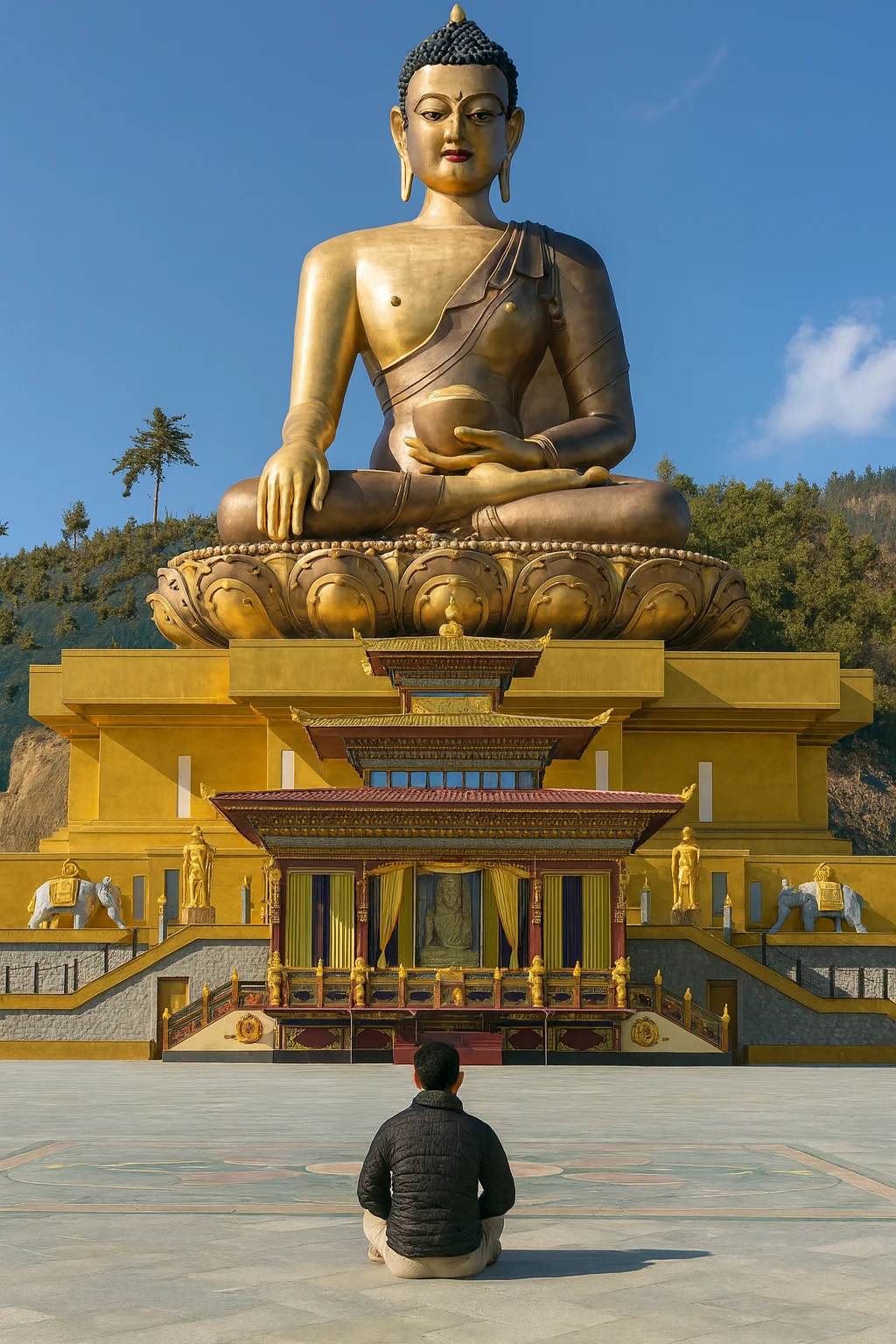
For instance, if we work in an office or a shop, do we bother to make an effort to arrive on time, understanding that others might be waiting for us, or do we show up whenever it suits us best? Do we genuinely care about meeting the needs of our clients and customers, or do we prioritize our own convenience and take the lazy, easiest way out? If your answer is ‘yes’ to the latter, it may suggest that empathy is still more of a distant ideal than a true motivator in your life.
When it comes to the environment, do we bring our own reusable bags when shopping, or do we accept multiple single-use plastic bags without a second thought? When offering tsok/offerings at a puja, do we prepare fresh food and wrap it in desho/ bhutanese paper made of daphne plant, or do we bring packaged junk food wrapped in metallic plastic? The latter choice not only shows a lack of compassion for the environment but also demonstrates a failure to practice dignity and mindfulness.
If Guru Rinpoche had to consume the tsok that most people bring to pujas, he would likely have developed diabetes, hypertension, renal failure, and heart disease long ago. We’d be offering tsok in the ICU, not at Lhakhang/ temple, Lol. Certainly, he would lament how our offerings disrespect the elements, contributing to the degradation of the environment.
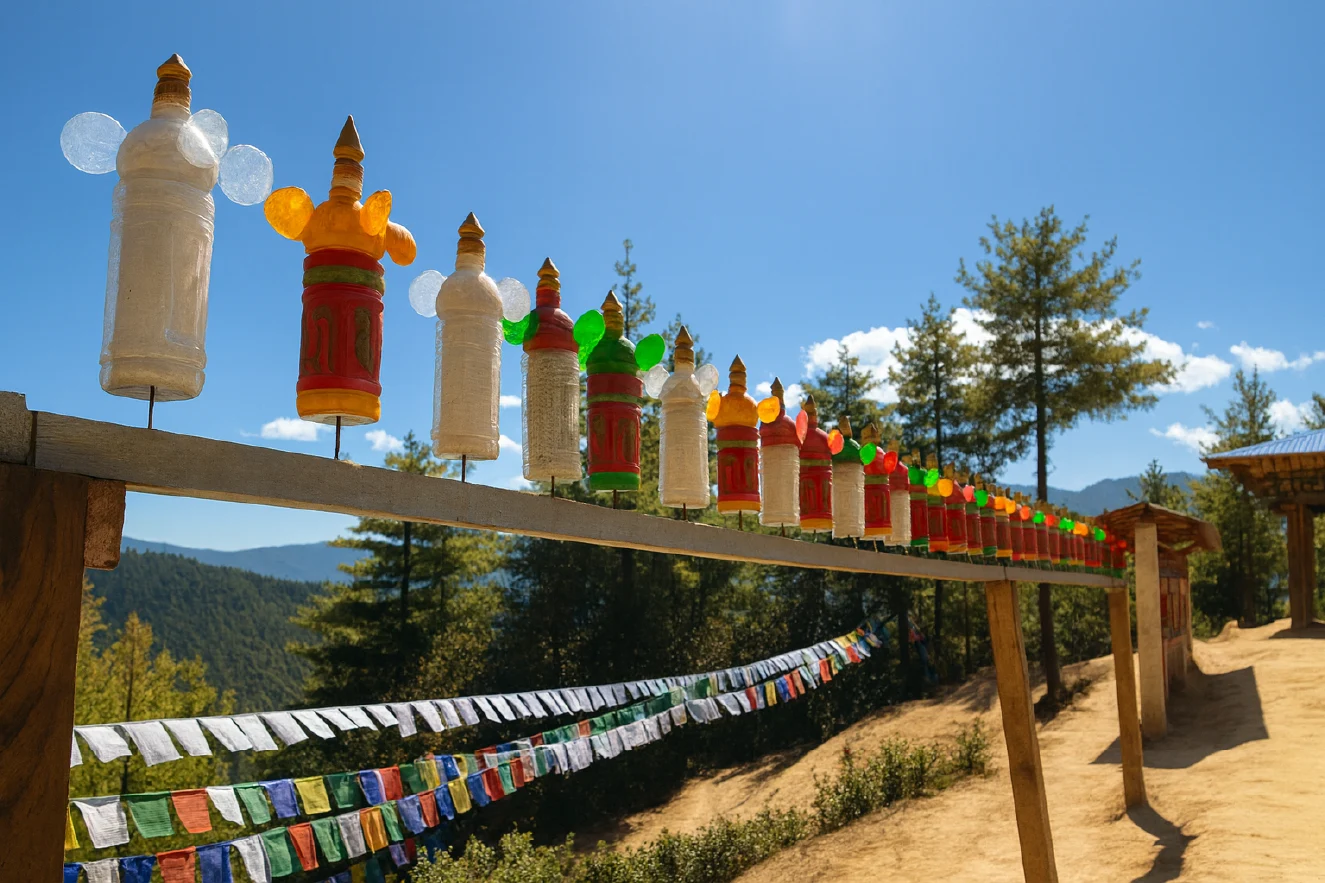
In conclusion, while we cannot stop the Dharma-ending age from unfolding, we can respond to it by practicing compassion and cultivating wisdom.
Additionally, those who resist being drawn into the cycle of materialism and maintain a pure perspective will be highly valued during these times. So, instead of feeling hopeless, we should practice with greater urgency, with the intention to benefit all beings.