
Stillness
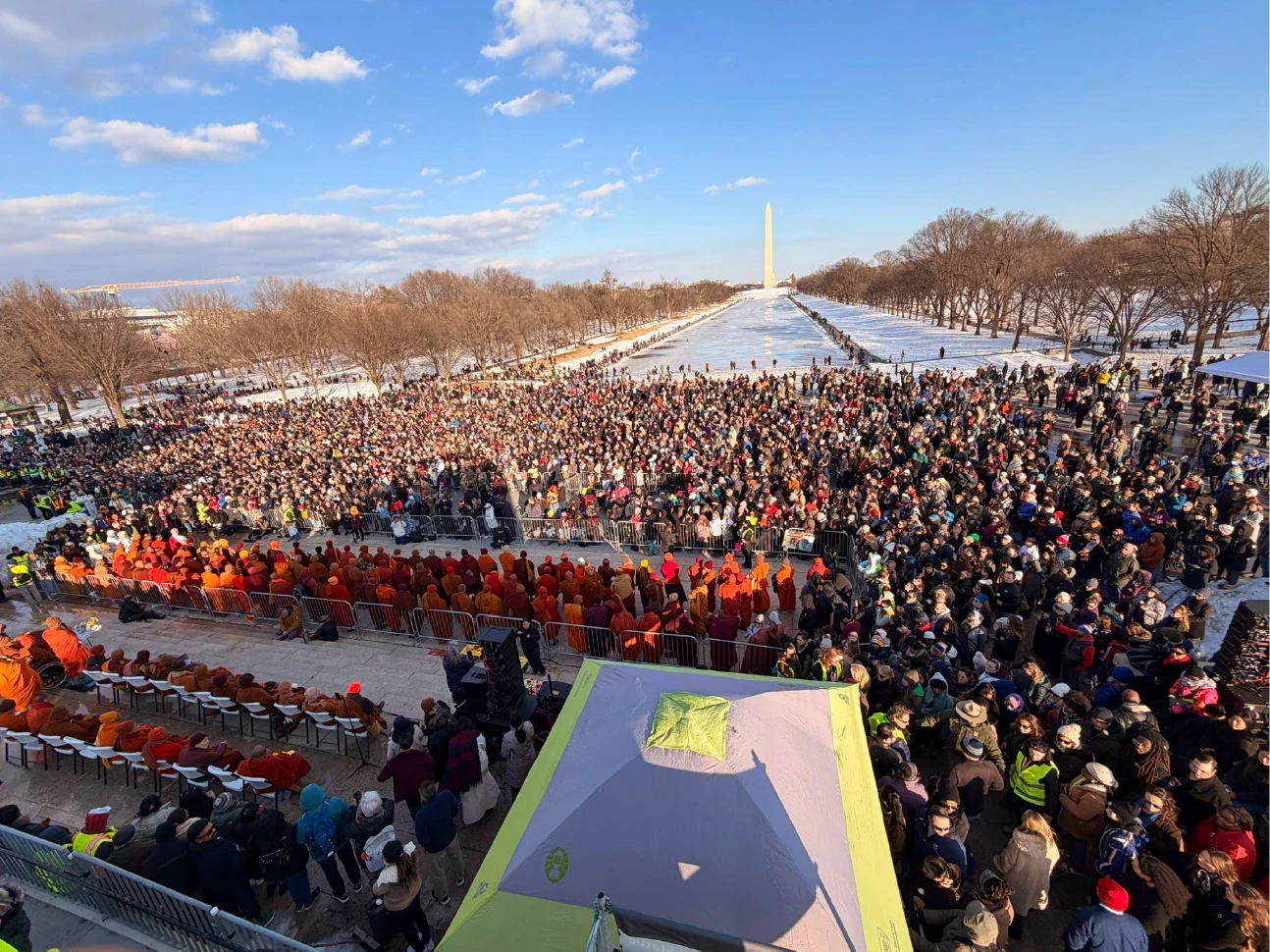
Student – Hi Lama la, I closely followed the Walk for Peace undertaken by Buddhist monks in the United States, which recently concluded. I was deeply moved by the purity of their intention, but equally struck by the response of the people they encountered along the way. Although the vast majority of these onlookers were not Buddhist, they lined the streets to welcome the monks; many were moved to tears, and even armed police officers bowed in respect. What is it about such a small group of men — some barefoot, accompanied only by a street dog from Kolkata — that could evoke such a powerful and heartfelt response? Should we initiate more such walks as a way of reminding people that there is more to life than competition and self-interest? I would be very interested in Lam’s thoughts on this. Thank you.
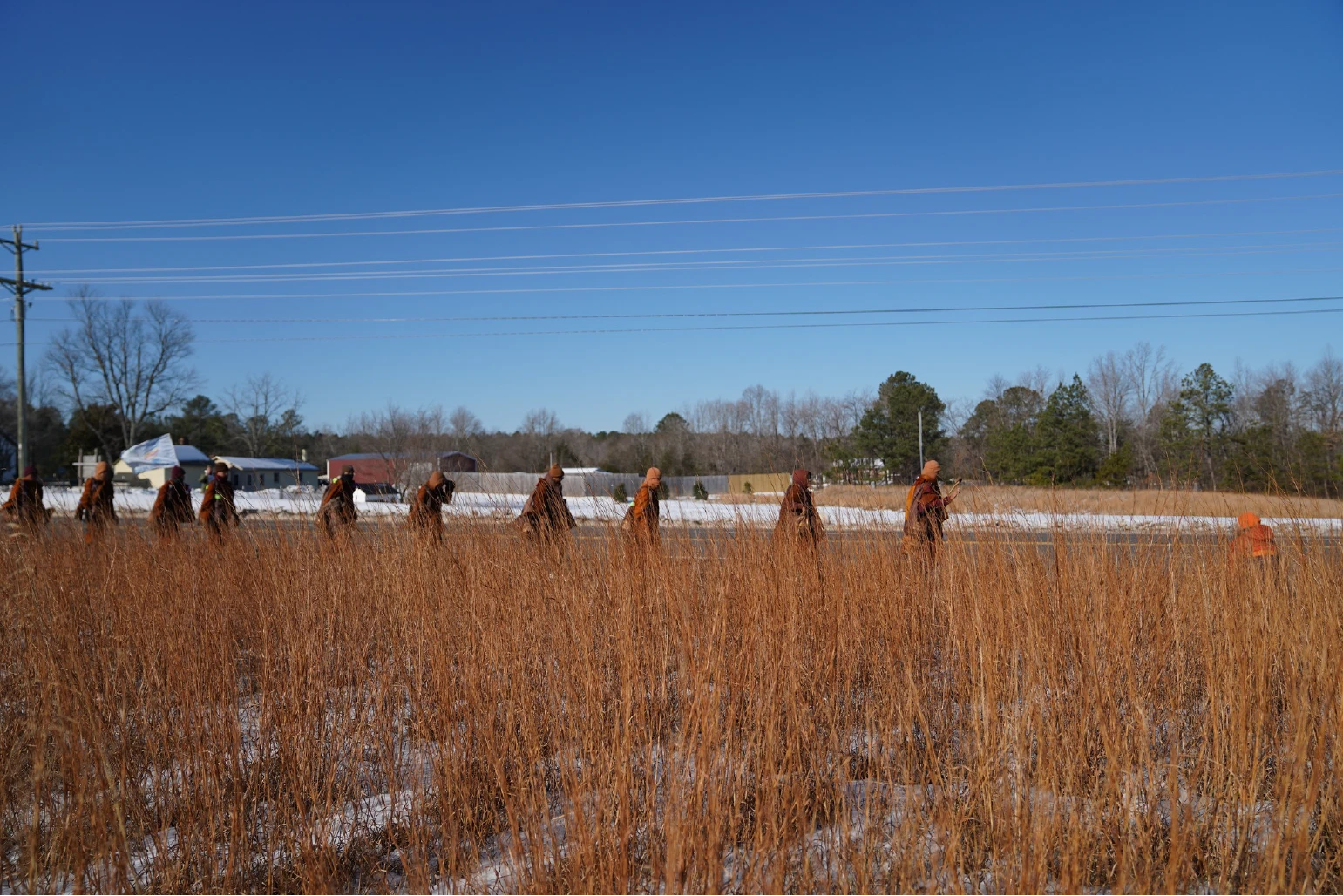
Master – I believe several elements were at play here. First, the walk itself — silently moving without a personal agenda. In an age saturated with noise, distraction, and the relentless pursuit of personal gain, that kind of quiet, purpose-less presence feels rare and grounding.
Second, the United States is fractured. Families splintered, communities fragmented, and the shared spaces that once bound people together have eroded. Becoming unsafe. This is not unique to the US, but it is felt there with particular intensity, leaving many searching for connection and meaning. The walk struck a raw nerve. Amid the despair, it offered a glimpse of stability and peace, a reminder that life need not be this way.
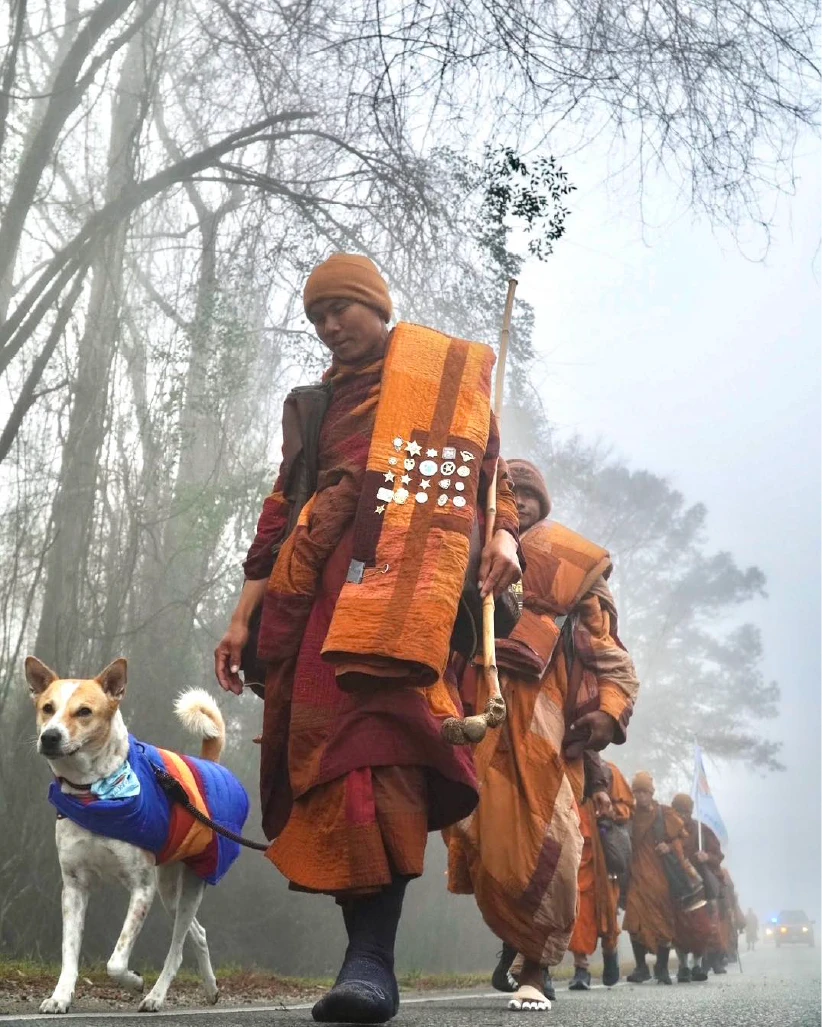
And then, there was the dog: a street dog from Kolkata who followed with unwavering loyalty, even while sick — a stark contrast to the indifference many face even from their own families in times of need. And we cannot overlook the charisma of the lead monk himself: frank and self-deprecating in his humility. In a world obsessed with self-promotion and loyalty that can be bought, these qualities stirred something deeper — a warmth both familiar and forgotten, like a child cast out from a loving home who suddenly catches the scent of a memory long past.
Should such walks be undertaken more often? Yes and no. Of course, it is inspiring to witness people acting without personal agenda, motivated purely by a wish to awaken the innate basic goodness present in each of us.
On the other hand, part of what made this event so special was its uniqueness. If such walks were to become common in the United States or in the West in general, they would likely lose much of their impact. It would be like suddenly flooding the market with diamonds and rubies: their beauty would remain, but they would lose their preciousness in the eyes of people.
In truth, it is who we assign value to objects and events. Gemstones or gold hold meaning only because of a shared human consensus rooted in rarity and desire; handed to an indigenous person in the Amazon, they might be discarded as nothing more than shiny stones. A dog would not give them a moment’s notice.
In this way, it was not the walk itself that produced such an outpouring, but the context in which it took place. In a country where many people feel a deep hunger for peace, kindness, and authenticity, the walk was seen as rare and meaningful. The response, therefore, revealed not the power of the act itself, but the value people collectively bestowed upon it because of its rarity and the longing it answered.
Had it occurred in India or Bhutan, where walking sadhus and prostrating monks are familiar sights, and where families and communities are generally less fragmented, it would likely have drawn far less attention and stirred a more muted reaction.
For these reasons, I believe such walks should occur only occasionally, at the right time and in the right place, and only when they arise spontaneously from the minds of people. If they are organized with the explicit aim of replicating the effect of this walk, especially in places not in genuine need of healing, their magic and appeal would be lost.
Instead, we should seek fresh ways to touch people’s lives and remind them of their innate goodness — their Buddha nature. This might take the form of films, art or photography exhibitions, or music concerts. In today’s world, where people are oversimulated and quick to lose interest, originality is essential. We should not simply repeat a method because it worked previously; its power lies in renewal.
So, while we should applaud the monks for their effort, which has likely done more to enhance the image and profile of Buddhism in the United States than a decade of teachings and pujas, we must now let it go.
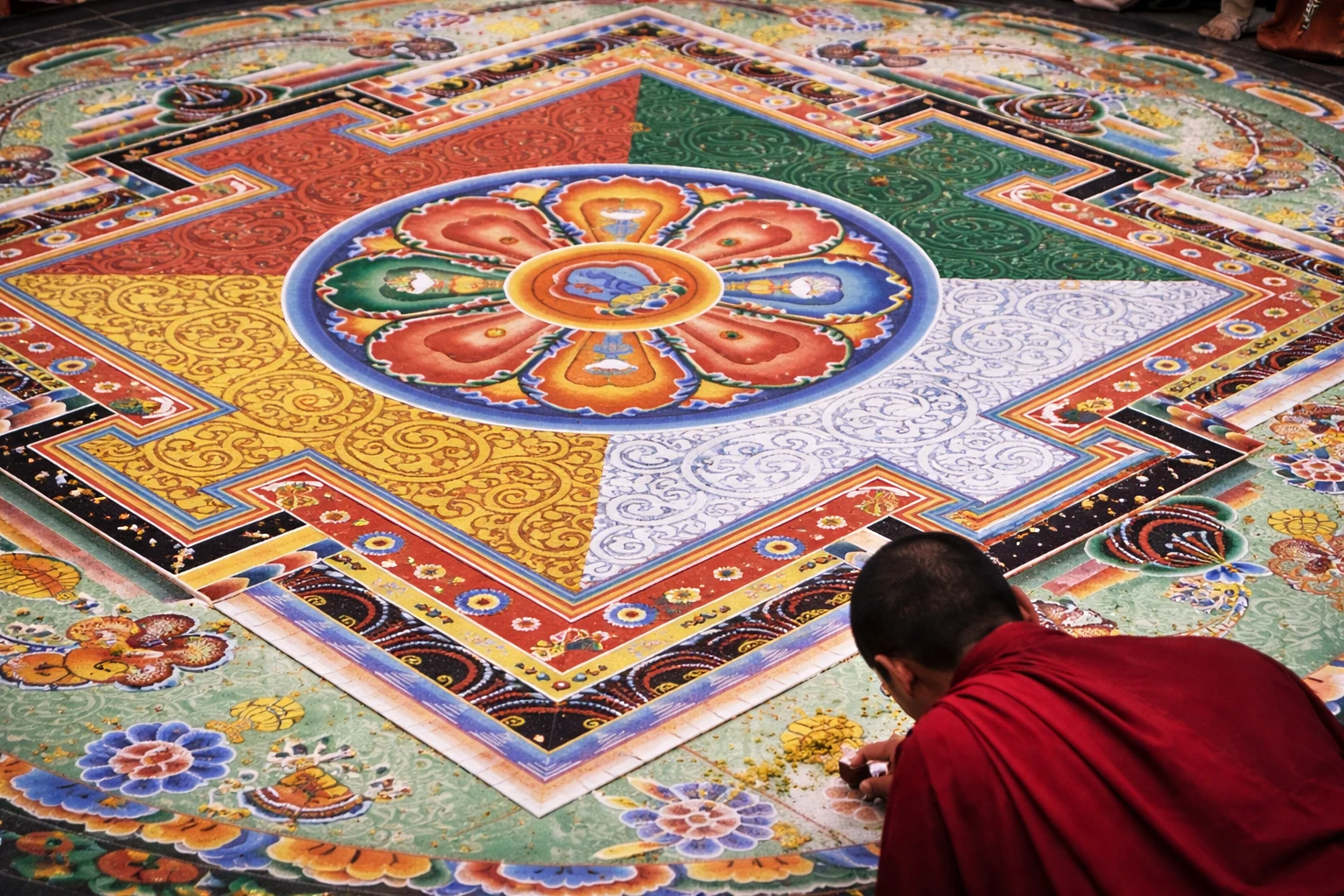
Like sand mandalas, its beauty and impact were meant for a moment in time. As the monks disperse and return to their monasteries, so too is the sand gathered and returned to the earth. True power lies in letting go, not clinging to what has already passed. This is a recognition of impermanence: that things arise from the joining of parts, remain for a while, and then dissolve. Perhaps that is the final teaching we can take from this walk.
As for the monks, I pray they continue their work, carrying forward a spirit of compassion and peace that awakens the goodness within us all. May they help guide minds away from the frequently promoted but mistaken belief that greed and selfishness lead to happiness, and toward the deeper understanding that wisdom and empathy are the only true foundations of lasting contentment.
Official website for the Walk for Peace: https://www.walkforpeace.us/