

Breaking Boredom, Building Bonds: The Secret to Customer Loyalty and Staff Satisfaction.
Student – Dear Lama la, I’m planning to open two tourist-standard restaurants, and as these are my first ventures, I’d deeply appreciate advice on training F&B staff without formal experience. What essential skills and qualities should they develop to excel in this role? How can they keep their work engaging and avoid falling into boredom?
Master – Bhutanese people are well-known for their friendly nature, a quality that can be further enhanced in customer service. Encourage staff to greet customers with a warm smile and a welcoming demeanor, making their experience more enjoyable.
Politeness is essential, but it should feel genuine and natural, not mechanical. Efficiency and courtesy should never translate into robotic interactions — a common misstep in many establishments. While staff should maintain professionalism and avoid prolonged conversations, they can still engage with thoughtful, complete responses, rather than limiting themselves to curt ‘yes sir’ or ‘no madam’ answers. This approach strikes a balance between attentiveness and allowing customers to enjoy their meals undisturbed.
Staff often leave their roles because repetitive tasks can lead to boredom and a lack of purpose. To address this, it’s important to create an environment of awareness where employees understand the value of their work.
Even routine tasks can become more engaging when carried out with awareness of the customers’ needs. For instance, staff might position cup handles outward to ensure they are easy for them to pick up. These simple yet intentional actions not only improve the customer experience but also add variety to the work, keeping employees motivated and reducing boredom.

Furthermore, customers should be viewed as individuals, not a faceless crowd, and so responses should be tailored to their unique characteristics. Rather than distinguishing between easy and difficult customers, staff should learn to see every interaction as a chance to showcase their expertise and adaptability.
Distinguishing between following protocol and expressing humility is essential in customer service. Staff who don’t understand a customer’s request or lack an answer to a question often just shut down or simply say, “I don’t know,” which can really annoy and frustrate customers.
Instead, train staff to seek clarity by asking customers to confirm unclear orders. Encourage them to consult their colleagues if they’re unsure about an answer and offer alternative suggestions when a requested dish or drink is unavailable. This approach fosters a proactive, accommodating service style that ensures patrons feel valued and understood.
Punctuality is crucial for running a successful restaurant — customers will quickly lose trust if opening times depend on staff whims. If unforeseen issues lead to a delayed opening or temporary closure, always display a notice on the shutters, apologizing for the inconvenience and informing customers of the next opening time. This simple act of courtesy is often overlooked but makes a significant difference.
Additionally, the use of cell phones during work hours should be strictly prohibited. It comes across as extremely disrespectful when staff prioritize texting or phone calls over attending to customers. While on duty, staff are there to serve customers, not to socialize with friends.
Though these guidelines may seem fundamental, many staff may lack exposure to standard restaurant practices and might not automatically recognize their importance. Clear training can help bridge this gap and uphold professionalism.
Beyond training, your attitude is crucial for retaining staff. Provide clear instructions and address mistakes firmly but calmly — there’s no need for anger or shouting. Ensure timely payment of salaries and offer bonuses or other incentives to motivate consistent performance.
Many restaurants struggle with a poor atmosphere due to a lack of mutual trust between the proprietor and staff. It’s up to you to foster a clear and amicable work environment. When your team feels valued and content, your business will thrive, and you’ll find greater satisfaction in your role by fostering harmony rather than creating conflict with your staff.
Needless to say, beyond having a well-trained and motivated team, the success of your restaurant also hinges on maintaining a constant standard in the quality, taste, and presentation of your dishes. Guests should feel confident that each visit will meet or exceed their expectations.
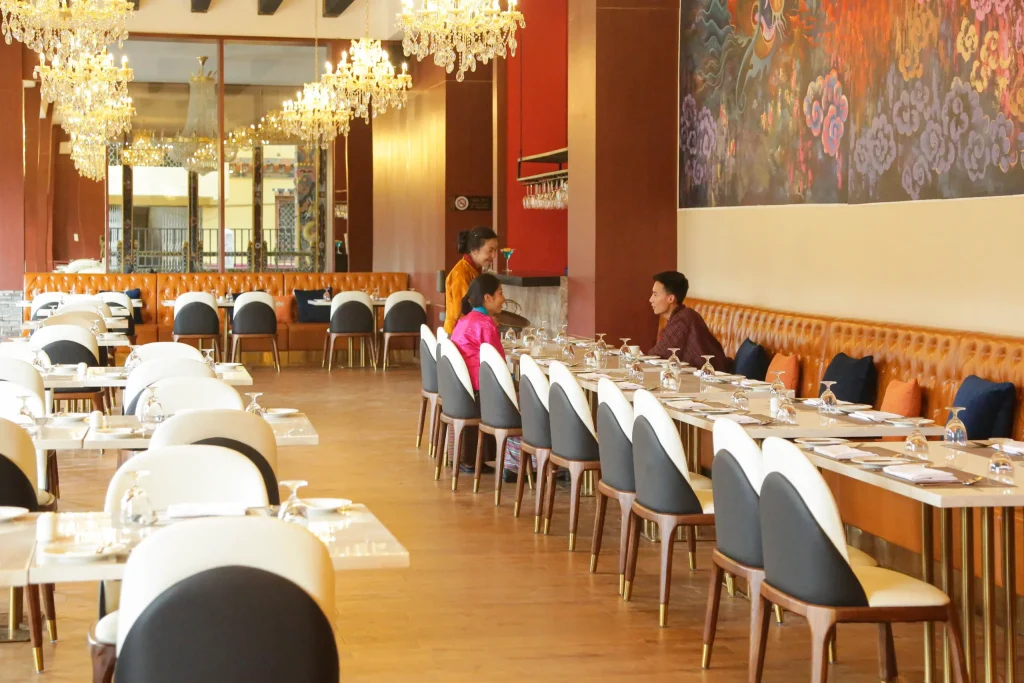
In addition, the restaurant’s interior design plays a significant role in setting the tone for the dining experience. A warm, inviting ambiance can make customers feel at ease and encourage them to stay longer or return in the future. Focus on elements such as comfortable seating, appropriate lighting, and tasteful decor that aligns with your restaurant’s theme or concept.
These details combine to create a positive and memorable experience that leaves a lasting impression on your patrons. By paying attention to serve, food quality, and the environment, you can establish a strong foundation for your restaurant’s success.

While the above advice for staff is designed for the hospitality industry, it applies equally well to any business or institution involving face-to-face interactions with the public. Whether it’s a medical store, clothing shop, or office environment, the principles of clear communication and proactive engagement are vital for success.
For example, teaching staff to seek clarification and make helpful suggestions is essential for a positive customer experience. In a medical store, if an item is out of stock, staff shouldn’t simply state its unavailability; instead, they should recommend similar alternatives or solutions or even suggest another store.
In a clothing shop, if a garment is unavailable, staff could suggest comparable options or provide useful information about restocking. Similarly, in an office setting, staff should go beyond simply denying an application. Instead, they ought to guide applicants by offering constructive suggestions to help ensure their application meets the necessary requirements and is approved.
Unfortunately, it’s all too common for customers to uncover alternatives themselves due to inadequate staff recommendations or to abandon applications altogether because of insufficient help and guidance.

These experiences not only cause frustration but also undermine trust and confidence in the business or leave customers demotivated by a sense of office staff indifference. To address this, businesses or office management must instill in their staff a mindset focused on attentiveness, proactive problem-solving, and a genuine desire to assist.
By nurturing these qualities, businesses and authorities can create meaningful interactions that leave customers feeling valued and supported, ultimately building lasting loyalty and a stronger reputation.
I sincerely hope your new ventures bring happiness and fulfillment to you, your staff, and your customers alike. When everyone involved finds joy — whether in creating, contributing, or experiencing — it becomes a true win-win-win situation, creating the conditions for success, satisfaction, and positive connections on all fronts. I wish you well.