
Dance
Grades Aren’t Everything: Let the Children Dance.
Student – Lama la, my son’s school recently introduced hip-hop dance sessions. While I don’t have an issue with the dance style itself, I do question whether it might distract from academic studies. My mother, on the other hand, feels strongly that activities like this don’t belong in schools at all. What does lama think la?
Master – In essence, schools are not just places to absorb facts and figures — they’re environments where students engage with many aspects of life and learn how to connect with others. Developing social skills, coordinating body and mind, and participating in physical activity, not to mention having fun, all contribute to shaping well-rounded individuals.
I’ve long admired the traditional education systems of South and East Asia, particularly those from China’s Han, Tang, and Song dynasties. Unlike modern Western models that prioritize competitive academics and sports, these classical approaches were rooted in the understanding that society is the sum of its individuals. If each person is refined, wise, and well-balanced, then society as a whole reflects those qualities.
In ancient China, students were trained in the Six Arts — which included archery, calligraphy, music, mathematics, ritual, and charioteering. This holistic model nurtured both the mind and the body. Music and art, for instance, were not just aesthetic pursuits but means of cultivating inner harmony and developing character. Playing the guqin was seen as a deeply reflective practice, expressing one’s emotional state and ethical refinement.
Students also engaged in the tactical boardgame called ‘go’, a sophisticated pursuit that expanded strategic thinking, patience, and focus, qualities which were highly valued in dynastic China.
Ancient India also offered a holistic curriculum that integrated both mental and physical disciplines. Music (sangeet) and dance (natya) were essential components of education, particularly in certain regions and social classes. In many respects, the Indian system aspired to even higher ideals than its Chinese counterpart, placing great emphasis on self-realization and the pursuit of truth and inner harmony. This stands in contrast to the more worldly, albeit noble, focus of the Chinese model, which focused more on social order, virtue, and self-cultivation.
While modern practices like hip hop and breakdancing may not carry the historical, cultural, or philosophical depth of traditional Indian or Chinese arts, neither do sports like basketball, football, or athletics. Yet these are widely accepted in schools for their vital role in fostering physical coordination, promoting active movement, and offering a creative outlet that supports emotional well-being and mental health.
We must remember that a rich life isn’t defined solely by academic success or a high-paying job. True wealth lies in a mind that is able to appreciate simple joys, such as savouring a cup of coffee, feeling the rhythm of dance, embracing an eclectic mix of music, and forming genuine connections with others. It’s these moments of subtle enjoyment and human warmth that shape a life of depth and fulfillment.
Not only dance, but also martial arts, music, visual arts, and sports deserve equal standing alongside traditional academic subjects like science and mathematics. As seen with the integration of hip hop in Bhutan, such activities can be enriched with the nation’s core values and cultural heritage.
In reality, most countries have inherited an education system shaped by colonial powers — nations that prized materialism and dominance above well-being or wisdom. And while this system could be acclaimed for accelerating certain conveniences — vacuum cleaners, fast cars, washing machines — it has not cultivated a more peaceful planet; wars rage on, climate change worsens, communities fragment, and mental health crises intensify. Rates of suicide, depression, and substance abuse are nothing short of catastrophic.
It’s time for the world to reimagine education — not as merely a factory producing uniform adults destined for the job market, but as a sanctuary for creativity, human connection, and the full expression of human potential. This is what truly enriches a society, giving it depth, resilience, and character.
Beyond the classroom, municipalities also play a crucial role in nurturing this broader vision to keep the youth engaged in healthy activities. In Taipei, for example, wide underground passageways are often lined with floor-to-ceiling mirrors — intentionally installed to support hip hop and breakdance practice.
The spaces below overpasses have been transformed into lively spaces for skateboarding and roller-skating. These creative investments have not come at the expense of academic excellence as Taiwan consistently ranks among the world’s top 10 in reading, science, and mathematics according to OECD assessments.
Some may see the creation of free or subsidized spaces for futsal, basketball, skateboarding, art, photography, drama, and dance as a financial burden. But these initiatives are best understood as essential pillars of a healthy social ecosystem.
When young people are engaged in meaningful physical and artistic activities, they are significantly less likely to be drawn into drugs or other destructive behaviors. This not only benefits the individual, but also has broader social impacts, reducing judicial and incarceration costs, and easing the burden on public healthcare systems, given the profound toll addiction takes on both mental and physical health.
More importantly, young people who grow up with diverse experiences are better equipped to contribute to society — culturally, socially, and economically — and are more mentally resilient in the face of change. With creative skills and a sense of purpose, they become problem-solvers, contributors, and builders of a richer, more adaptable future, which is something no standardized test can truly measure.
To return to your question, I encourage you to consider what is truly important in life? While I understand your concerns that hip hop might distract from academic studies, it’s helpful to view this within a broader perspective. Is passing exams and working the only purpose of life?
Even putting aside the higher ideals of Buddhism, from a purely worldly perspective, humans need more than just work to live fulfilling lives. Art, music, dance, and sport are essential aspects of human expression and well-being. These are the elements that add richness and depth to the tapestry of life.
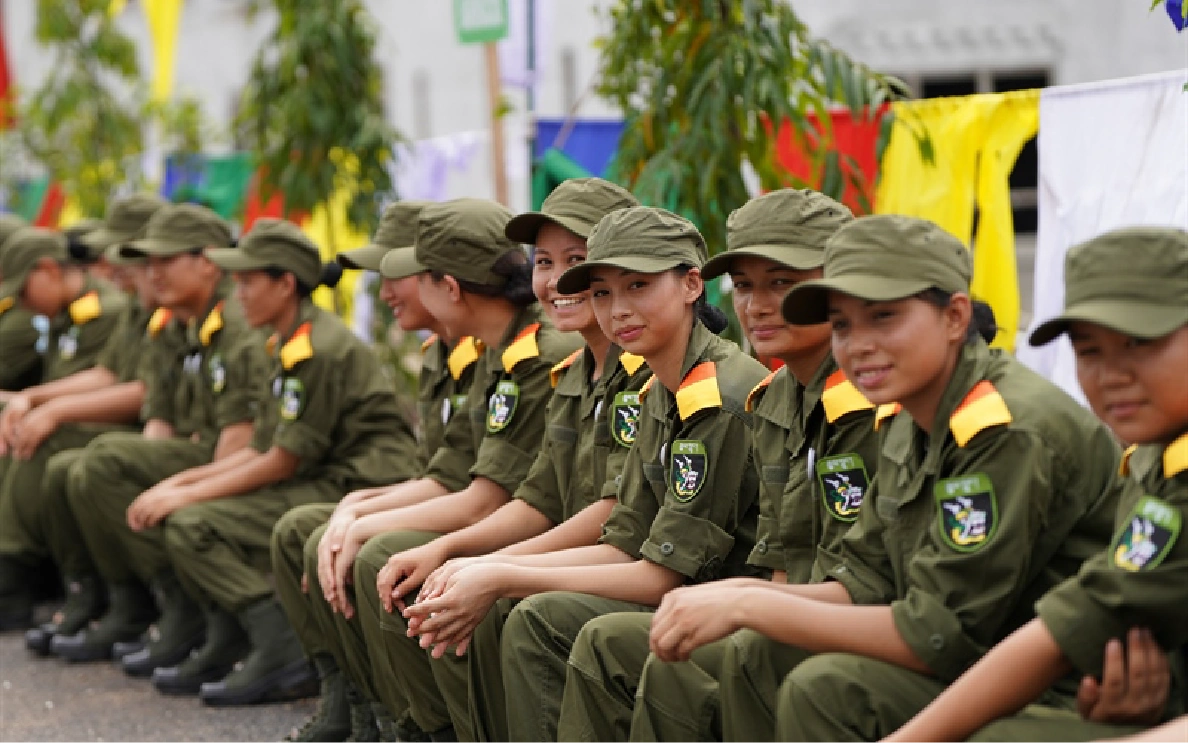
Fortunately, visionary initiatives like the Desuup and Gyelsung skilling programmes, along with the new Bhutan Baccalaureate, are addressing these broader needs by expanding the minds and interests of young people.
This not only enriches individual lives but also strengthens society, making it more culturally vibrant and resilient in an increasingly fast-changing world. Integrating energetic and expressive dance forms into the school setting is a meaningful and forward-looking step that aligns well with these broader educational and cultural goals.
If you’re asking for my personal opinion, I wholeheartedly applaud your son’s school for taking this step. In fact, I’d even encourage them to introduce more extracurricular activities that go beyond the traditional grading system — though perhaps don’t mention that part to your mother, haha. But, jokes aside, I’m confident these classes will benefit your son in many ways, physically, emotionally, and socially.
I genuinely believe this initiative is worth supporting as it has the potential to bring about a positive change in your son, one that both you and your mother will come to appreciate.