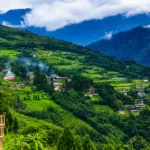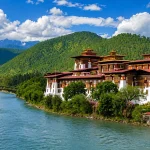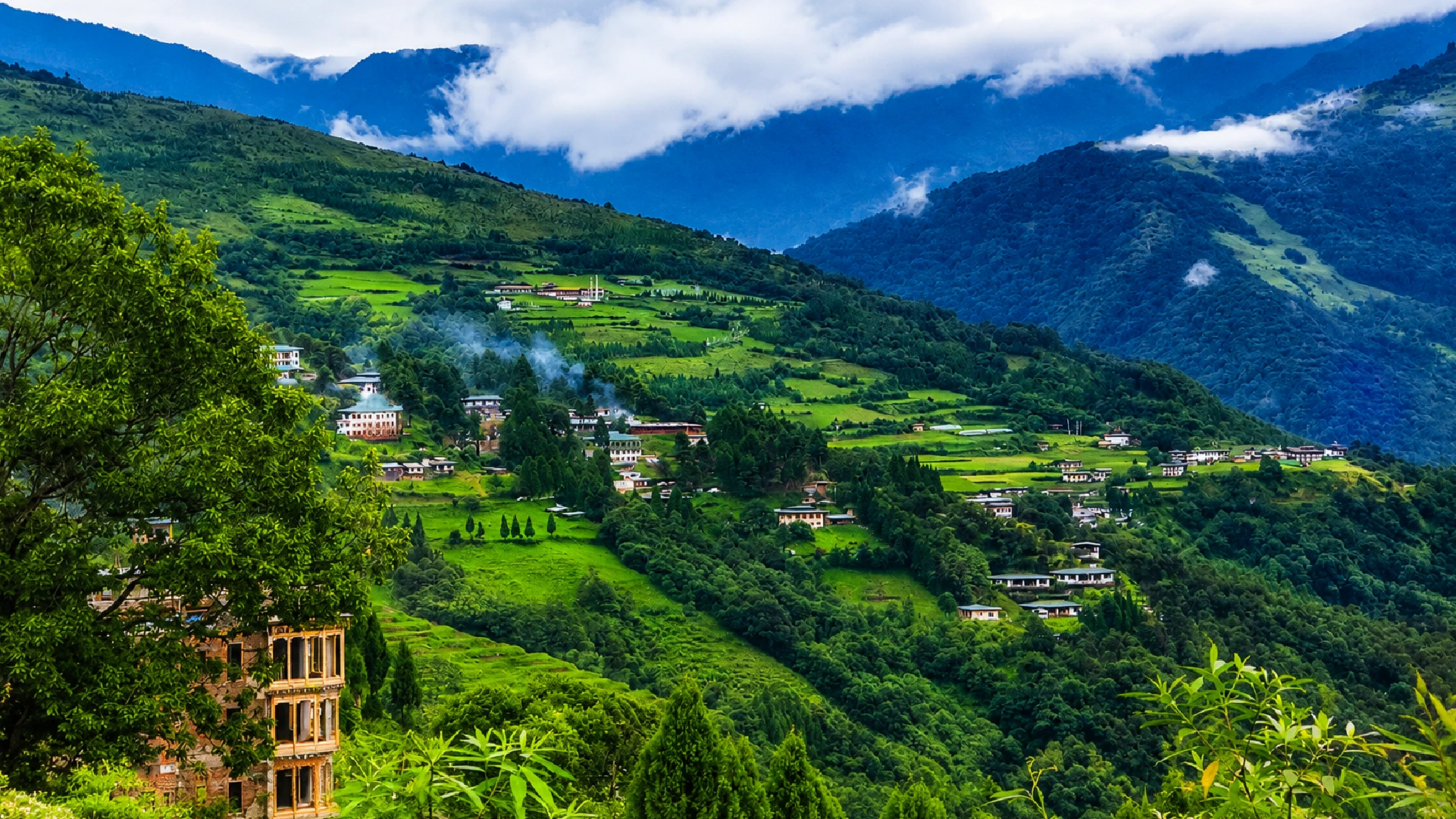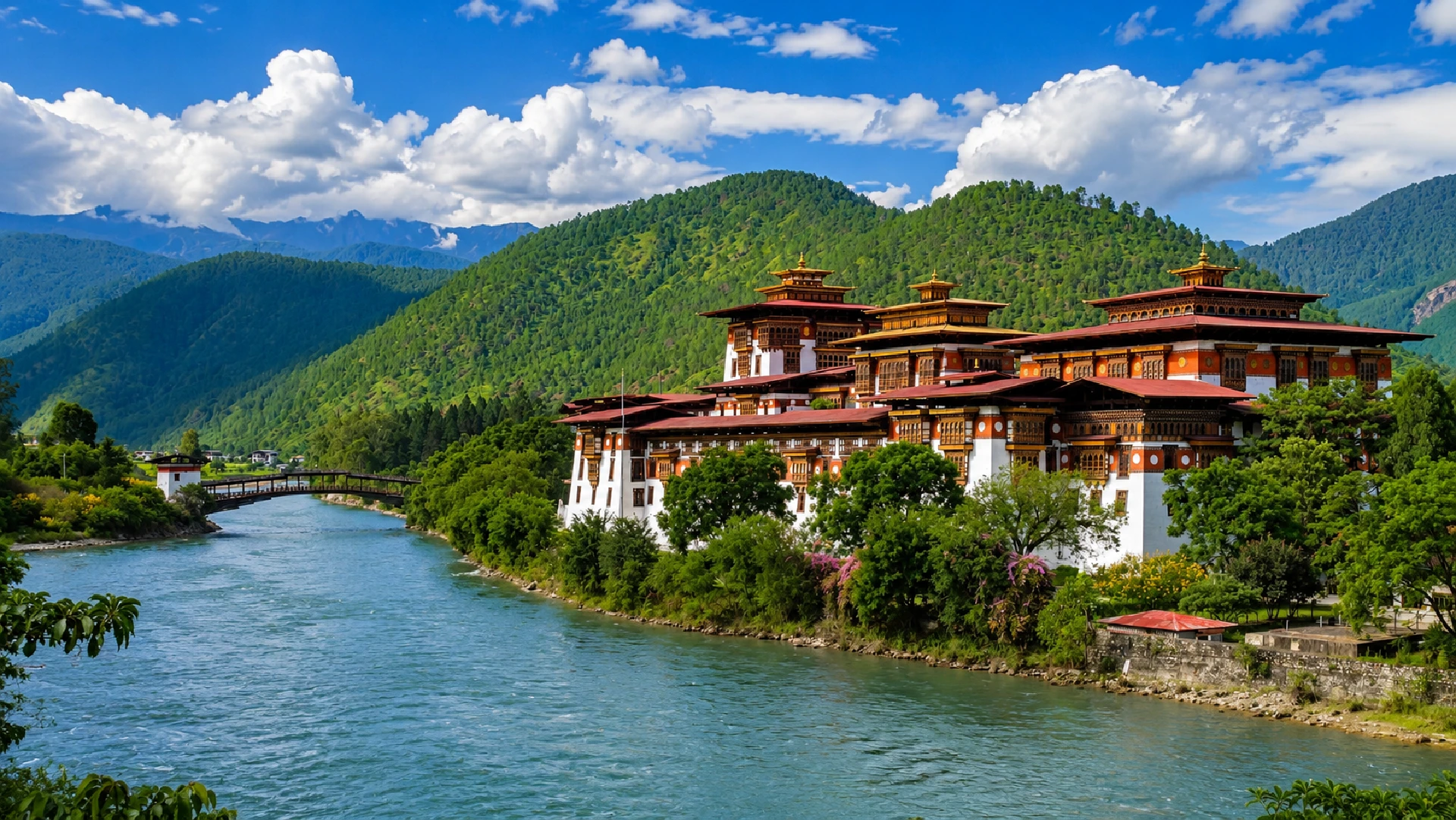

When most people picture Bhutan, they probably imagine a monastery perched on a cliff, prayer flags moving in the mountain breeze, or a winding road disappearing into the Himalayas. These are very much part of the Bhutan experience, but there is another side of the country that is just as rewarding to discover.
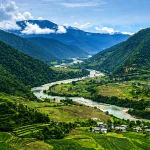
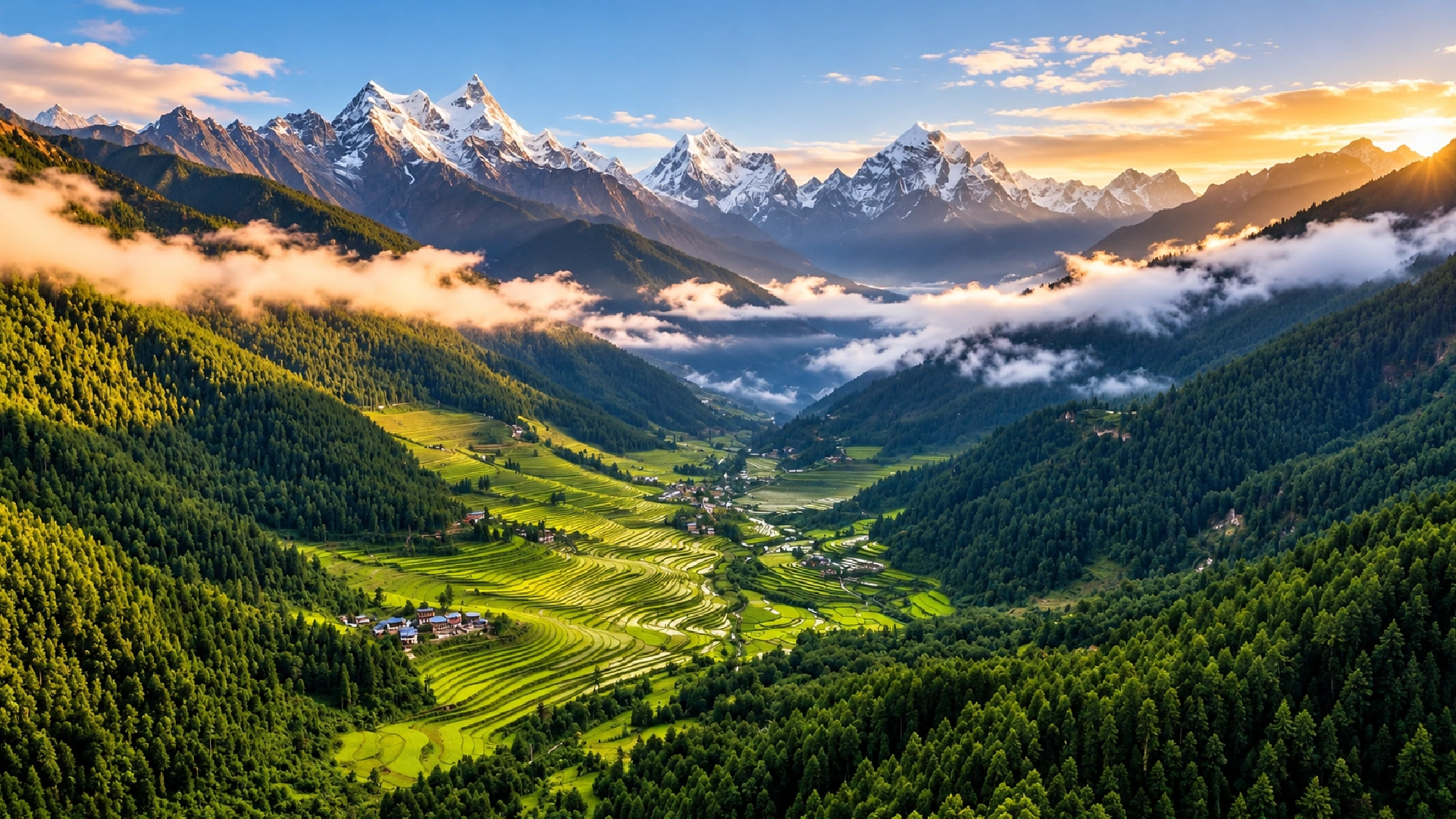
Bhutan is home to remarkably diverse landscapes, from warm river valleys in the east to forests filled with birds and red pandas, and all the way up to the high Himalayas where snow leopards still roam. Nature-based tourism in Bhutan gives travellers a chance to experience these places more closely, often by walking, watching and simply spending time in the landscape rather than moving quickly from one attraction to another.
Across Bhutan, 6 destinations are emerging as particularly interesting places for nature and wildlife experiences: Yangbari in Mongar, Kharungla in Trashigang, Tergola in Haa, Ramina in Lunana, Nubi in Trongsa and Jomolhari. Each has its own character and a very different reason to venture further into this Himalayan kingdom.
For travellers looking for a side of the country beyond the usual itinerary, these six destinations offer plenty to discover.
1. Yangbari, Mongar: A River Adventure in Eastern Bhutan
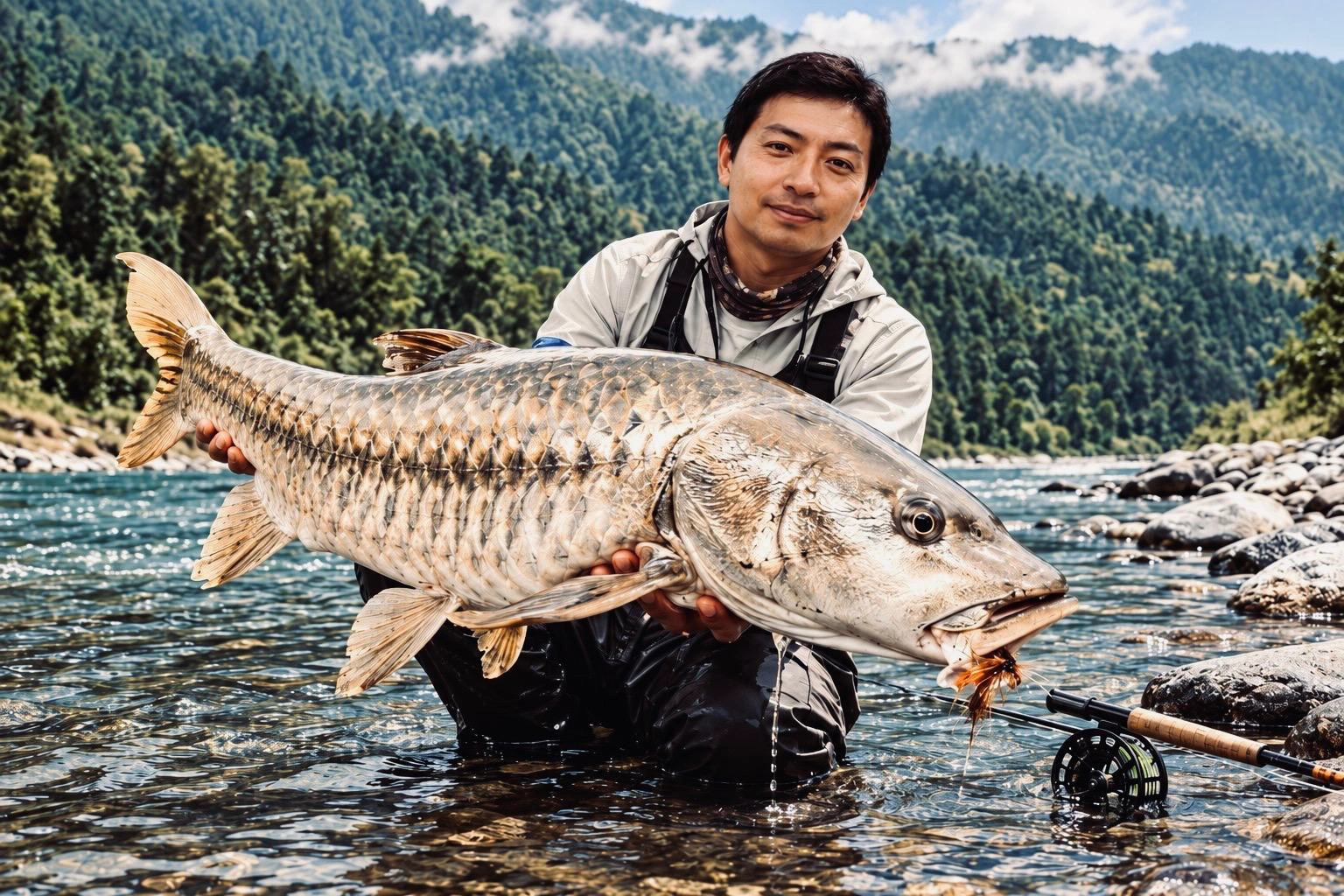
There is something about discovering a place from the water that makes it feel completely different, and in Yangbari, the Drangmechhu becomes the centre of the experience. The river winds through eastern Bhutan, surrounded by forested hills and rural communities, and is home to the golden mahseer, one of the country’s most sought-after freshwater fish.
For anglers, the chance to try catch-and-release fishing for golden mahseer is an obvious attraction, but there is plenty to enjoy without a fishing rod. The river is also becoming a setting for rafting and other outdoor experiences, while the surrounding countryside provides an opportunity to slow down and appreciate a part of eastern Bhutan that is often missed by visitors.
A day here might begin on the river before continuing with a walk through the surrounding landscape or a relaxed afternoon beside the water. The pace feels quite different from travelling between Bhutan’s major cultural sights, and that is part of its appeal.
Yangbari is also an interesting introduction to eastern Bhutan for visitors. The further east the journey goes, the more the landscape begins to feel like its own world, with winding rivers, thick forests and villages scattered through the hills. For travellers interested in nature tourism in Bhutan, Yangbari brings together wildlife, adventure and the simple pleasure of being beside a river.
2. Kharungla, Trashigang: A Forest Made for Birdwatching
Travellers do not necessarily have to be dedicated birders to enjoy Kharungla.
One of the pleasures of birdwatching is that it changes the way a forest is experienced. Instead of simply following the trail, attention shifts towards every sound above, every movement between the trees and every unexpected flash of colour. A bird call that might normally go unnoticed suddenly becomes a reason to stop and look around.
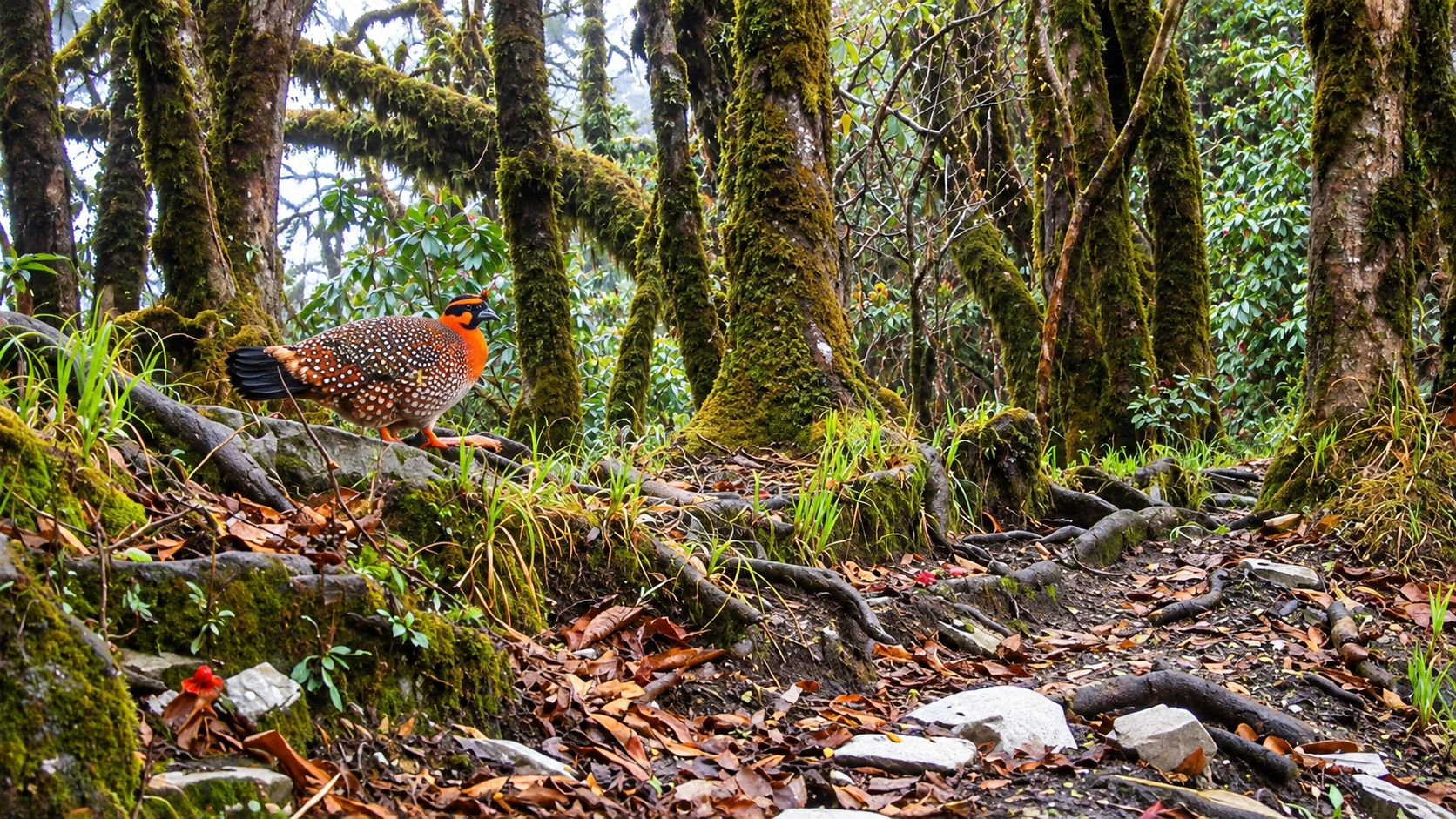
Kharungla, in eastern Bhutan, is particularly known for its tragopan, a striking pheasant that can be notoriously difficult to spot. The surrounding forests are rich in birdlife, making the area an increasingly interesting destination for travellers who want to experience Bhutan through its wildlife rather than its usual sightseeing stops.
The best approach is to take the time to walk quietly and look carefully. A bird may appear between the branches for only a few seconds before disappearing again, or a call may come from somewhere deep in the forest without revealing its source. That uncertainty is part of what makes birdwatching so enjoyable.
Kharungla is also part of the growing interest in birdwatching in Bhutan, with local initiatives and visitor facilities being developed to make the area easier to explore while keeping its natural character at the heart of the experience.
3. Tergola, Haa: Walking Through Red Panda Country
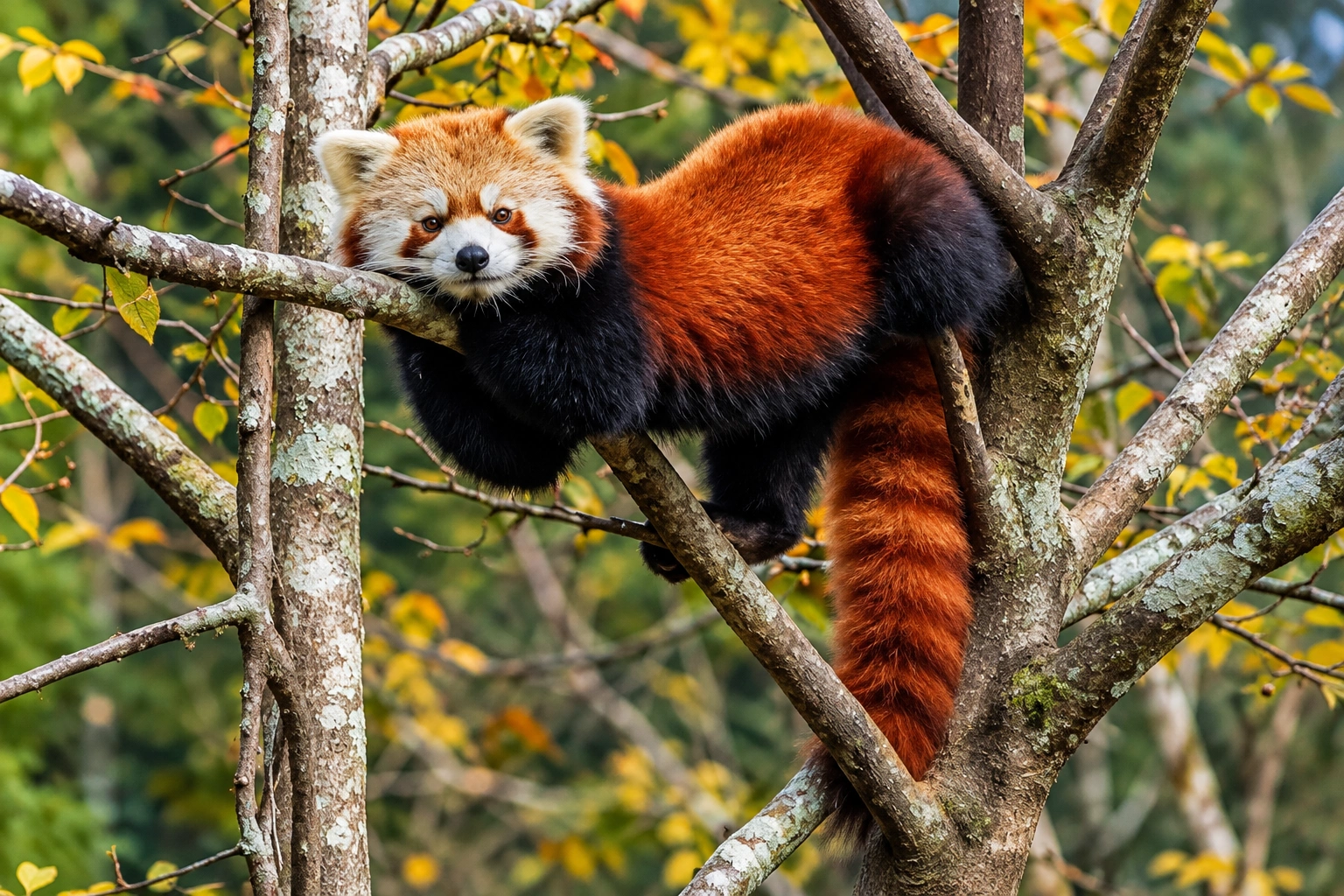
The red panda has a way of making people stop scrolling. Small, shy and remarkably photogenic, it is one of those animals that seems perfectly suited to Bhutan’s forests. The challenge, of course, is actually finding one.
At Tergola in Haa, visitors can walk through the kind of forest where red pandas live, following a trail through broadleaf and rhododendron woodland at high elevation. There is no guarantee of a sighting, but that uncertainty is part of what makes the experience exciting.
Suddenly, every movement between the branches becomes interesting. Something rustling in the leaves might be a bird, the wind or, if luck is on the traveller’s side, something much more elusive. The walk becomes less about reaching the end of the trail and more about noticing what is happening around it.
Even without a red panda sighting, the forest is worth exploring. Haa’s landscape has its own quiet beauty, particularly when the rhododendrons are in bloom, while the changing vegetation and mountain scenery provide plenty to appreciate along the way.
For visitors looking for wildlife tourism in Bhutan, Tergola is a good example of how the experience does not have to revolve around a guaranteed animal encounter. The possibility of seeing a red panda adds excitement, but simply walking through its habitat offers a glimpse into the environment that allows the species to survive.
4. Ramina, Lunana: For Travellers Who Like to Go Further
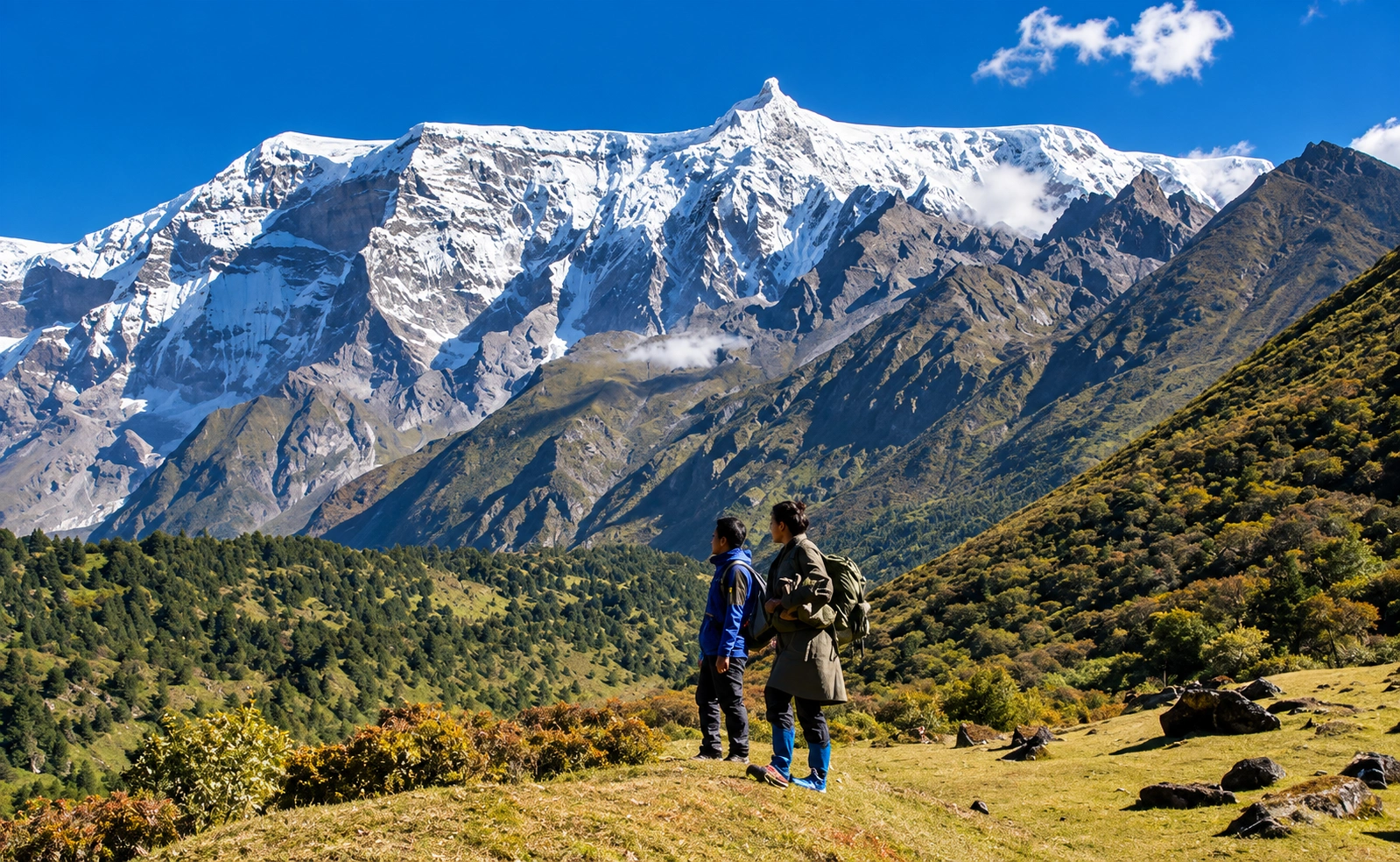
Some places in Bhutan are worth visiting because they are beautiful, and others are worth visiting because getting there is part of the story. Ramina, in Lunana, belongs firmly in the second category.
Lunana is one of Bhutan’s most remote regions, tucked away in the northern Himalayas and separated from the road network by challenging mountain trails. Reaching this part of the country takes time, but that is precisely why it appeals to travellers who want to experience a quieter and less familiar side of Bhutan.
The landscape changes as the journey moves deeper into the region, with forests giving way to high mountain terrain, wide valleys and the stark scenery of the Himalayas. Traditional communities continue to live in these remote valleys, adapting their lives to the altitude, seasons and conditions of the mountains.
Ramina is also being developed as a destination for red panda tourism, adding another reason for wildlife enthusiasts to make the journey, along with various highland festivals. As with Tergola, spotting a red panda is never something that should be treated as a guarantee. The reward lies in exploring its habitat and experiencing one of Bhutan’s most remote landscapes along the way.
For travellers who would happily trade a comfortable afternoon in town for another day on a mountain trail, Lunana offers an entirely different perspective on Bhutan.
5. Nubi, Trongsa: Into Tiger Country
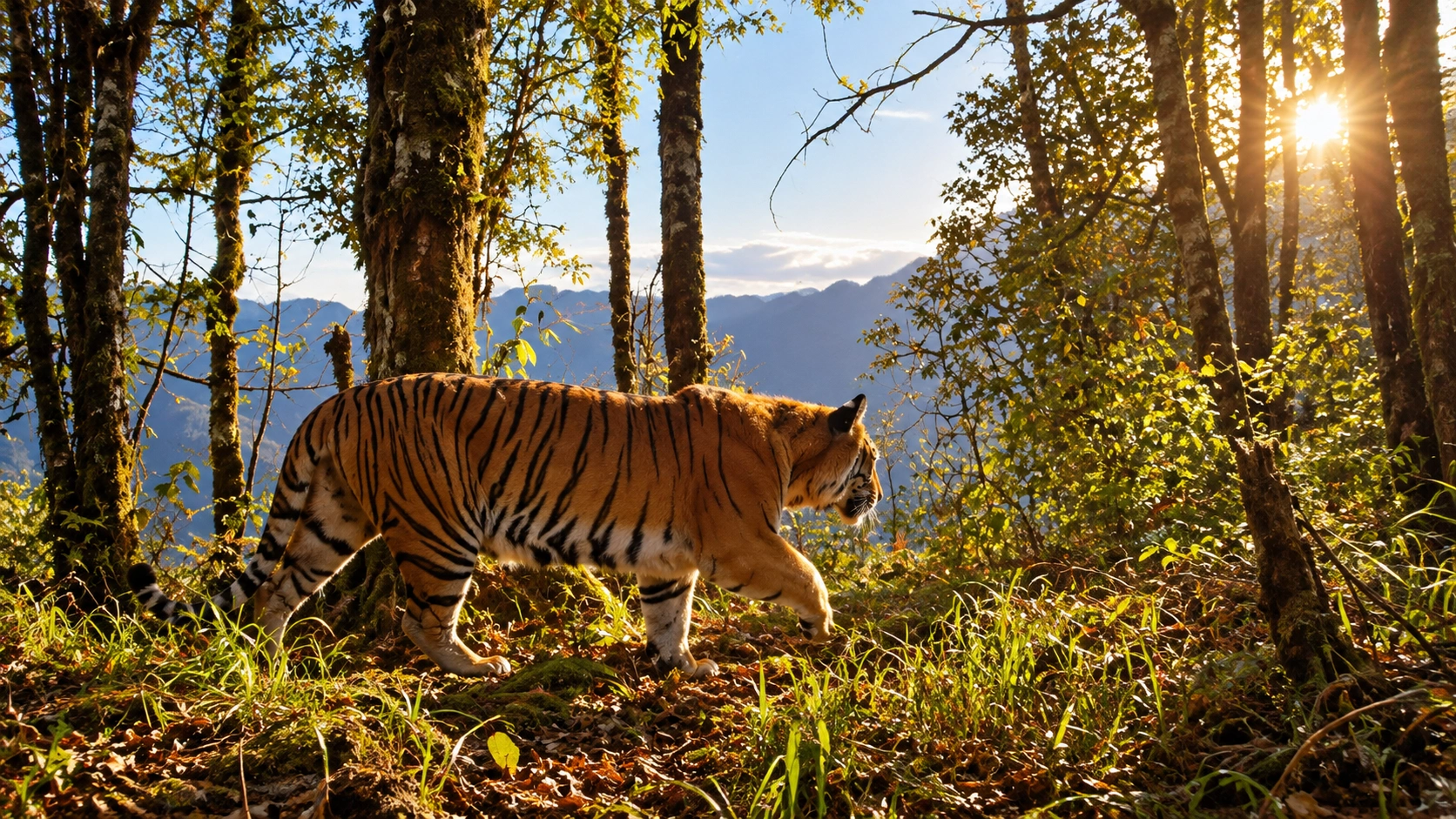
There is something particularly fascinating about travelling through a place where a tiger could be somewhere in the forest, even though seeing one in the wild is far from guaranteed.
That is part of the experience in Nubi, Trongsa, which is surrounded by forests that provide habitat for tigers and other wildlife, but these are also working landscapes where local communities farm, raise livestock and go about their daily lives. This creates a very different kind of wildlife experience from visiting a protected area where people and animals are largely separated. The relationship between communities and the forest is particularly important because tigers can sometimes prey on livestock. Conservation, therefore, involves more than protecting an animal; it also means finding ways for people to continue living alongside wildlife.
For travellers, this adds another layer to the experience. A walk through Nubi is not simply about hoping to see a tiger. It is an opportunity to see the forest that supports it and understand a little more about the realities of conservation in Bhutan. And there is always that small thought at the back of the mind while walking through the trees: what if there is a tiger somewhere out there?
6. Jomolhari: High Into Snow Leopard Country
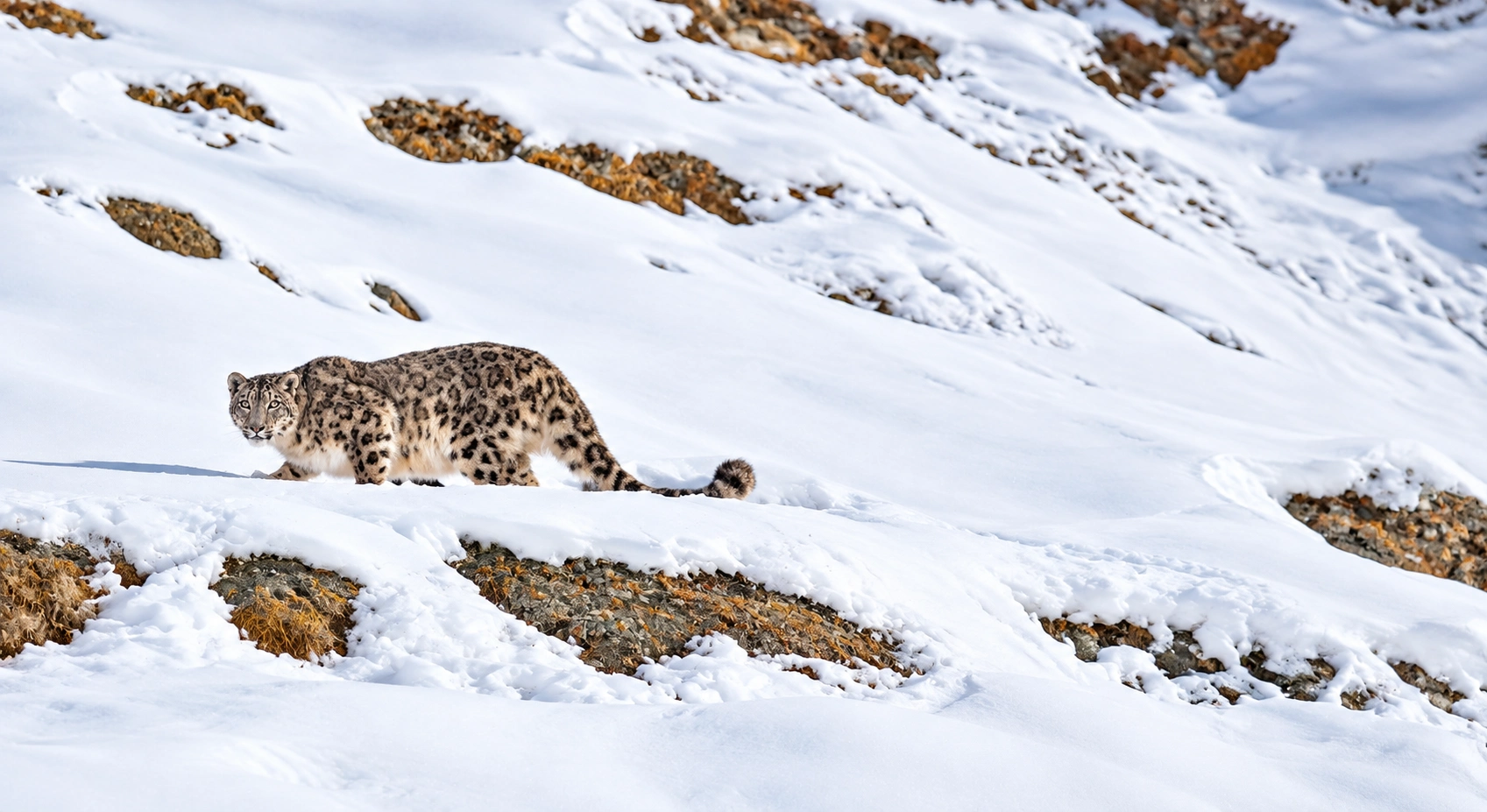
If there is one place on this list that feels unmistakably Himalayan, it is Jomolhari.
The trek takes travellers gradually away from the forests and valleys of lower Bhutan and into a much more rugged landscape of alpine meadows, high passes and enormous mountain peaks. By the time the trail reaches Jangothang, the scenery feels almost otherworldly, with Mount Jomolhari rising dramatically above the valley.
This is also snow leopard country. The chances of seeing one are extremely small, but that does not make the wildlife experience any less fascinating. Knowing that snow leopards, blue sheep and other high-altitude species inhabit these mountains changes the way the landscape is viewed. Tracks, movement on distant slopes and rocky areas where animals might find shelter suddenly become part of the scenery worth paying attention to.
There is plenty of other wildlife to watch for as well. Blue sheep and marmots can sometimes be seen along the trail, while yaks graze around the highland settlements. The communities living in these areas have their own long-standing relationship with the mountains, and the annual Jomolhari Mountain Festival brings together local culture and snow leopard conservation. Jomolhari is a demanding trek, but it is also one of the most rewarding ways to experience nature-based travel in Bhutan. Even if the snow leopard remains somewhere beyond the ridge, the mountains themselves provide more than enough reason to keep walking.
Conclusion
These 6 hand-picked destinations reveal a Bhutan that is easy to miss when travelling only along the familiar routes. From the rivers of Mongar and the forests of Haa to the remote valleys of Lunana and the high mountains of Jomolhari, each place offers a closer look at the landscapes and wildlife that make Bhutan so distinctive.
Wildlife sightings may never be guaranteed, and that is part of the appeal. A red panda may remain hidden in the trees, a tragopan may be heard rather than seen, and a snow leopard may leave nothing more than a distant trace. What matters is having the time, knowledge and local connections to experience these places properly.
At Druk Heritage, these less-travelled corners of Bhutan are part of what makes a journey memorable. With local expertise and thoughtfully planned experiences, the focus is not simply on seeing Bhutan, but on getting to know the landscapes, communities and wildlife that shape it.
If this is the side of Bhutan you want to discover, Druk Heritage can help you find your way there!