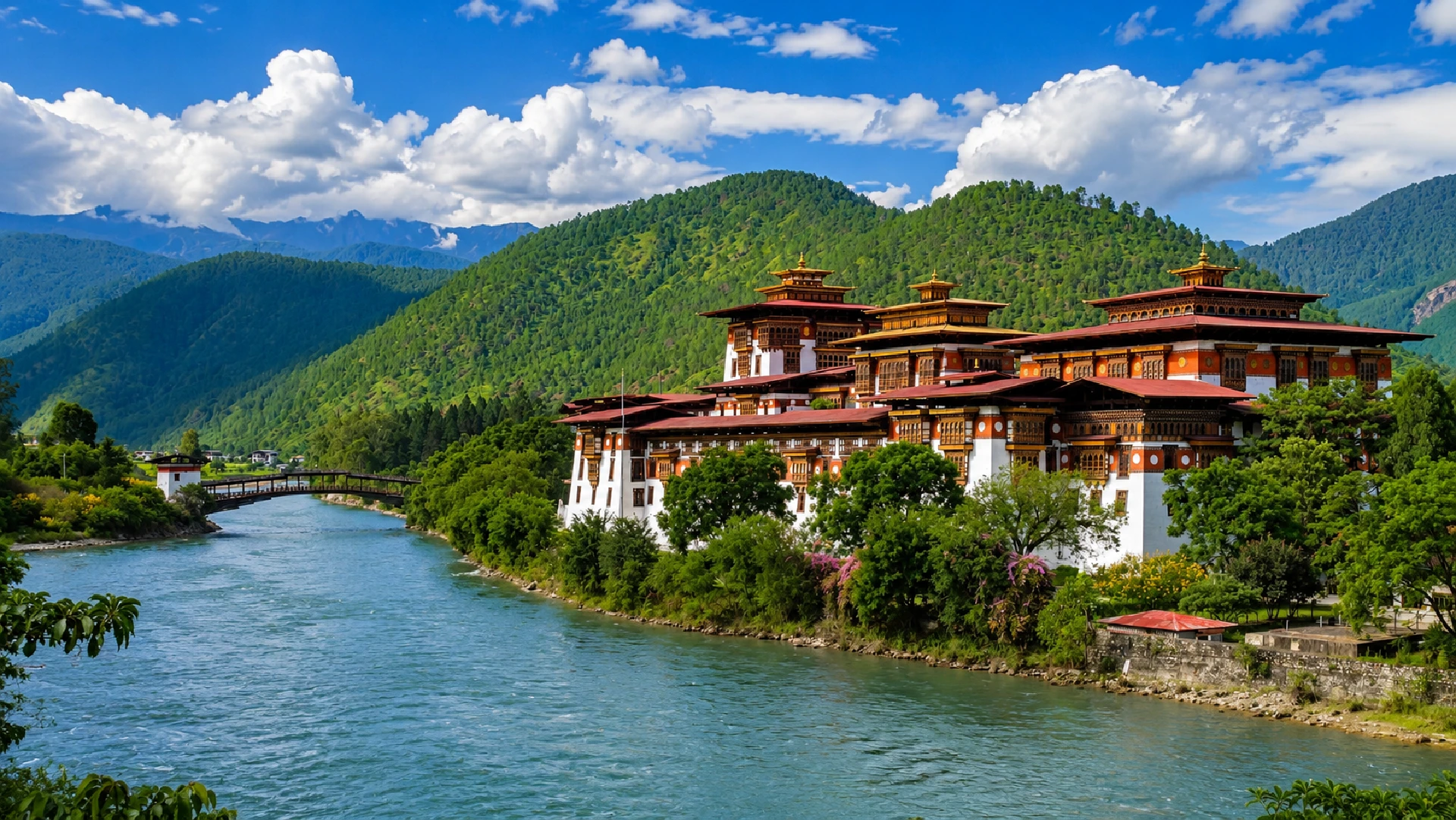
When people talk about Bhutan tourism, they usually picture the western valleys. Paro, Thimphu, Punakha with polished monasteries, curated viewpoints, and well-known trekking routes. It makes sense because that is where most journeys begin.
But if you genuinely want to visit Bhutan in a way that feels deeper, more grounded, and less filtered, eastern Bhutan is where the country starts to reveal a completely different identity.
This is not the Bhutan of perfect itineraries but Bhutan as it is lived.
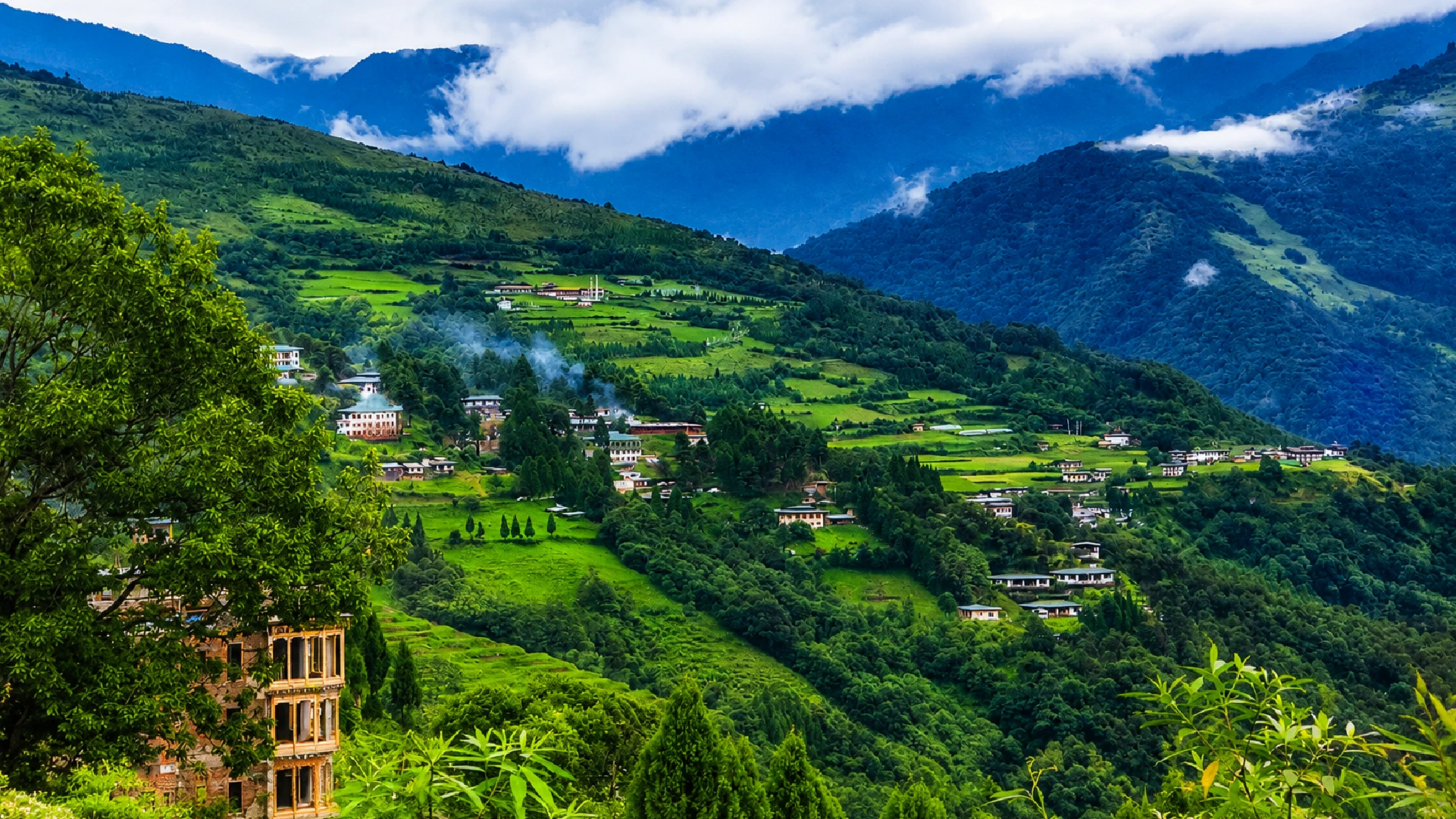
Eastern Bhutan is vast, culturally dense, geographically challenging, and quietly extraordinary. It is a region where every valley feels slightly different from the next, where languages shift, where textiles change, where even the rhythm of life slows down and deepens.
For Druk Heritage, this is the Bhutan that matters most, the one that rewards patience, curiosity, and presence.
Mongar: The Transition Into the East
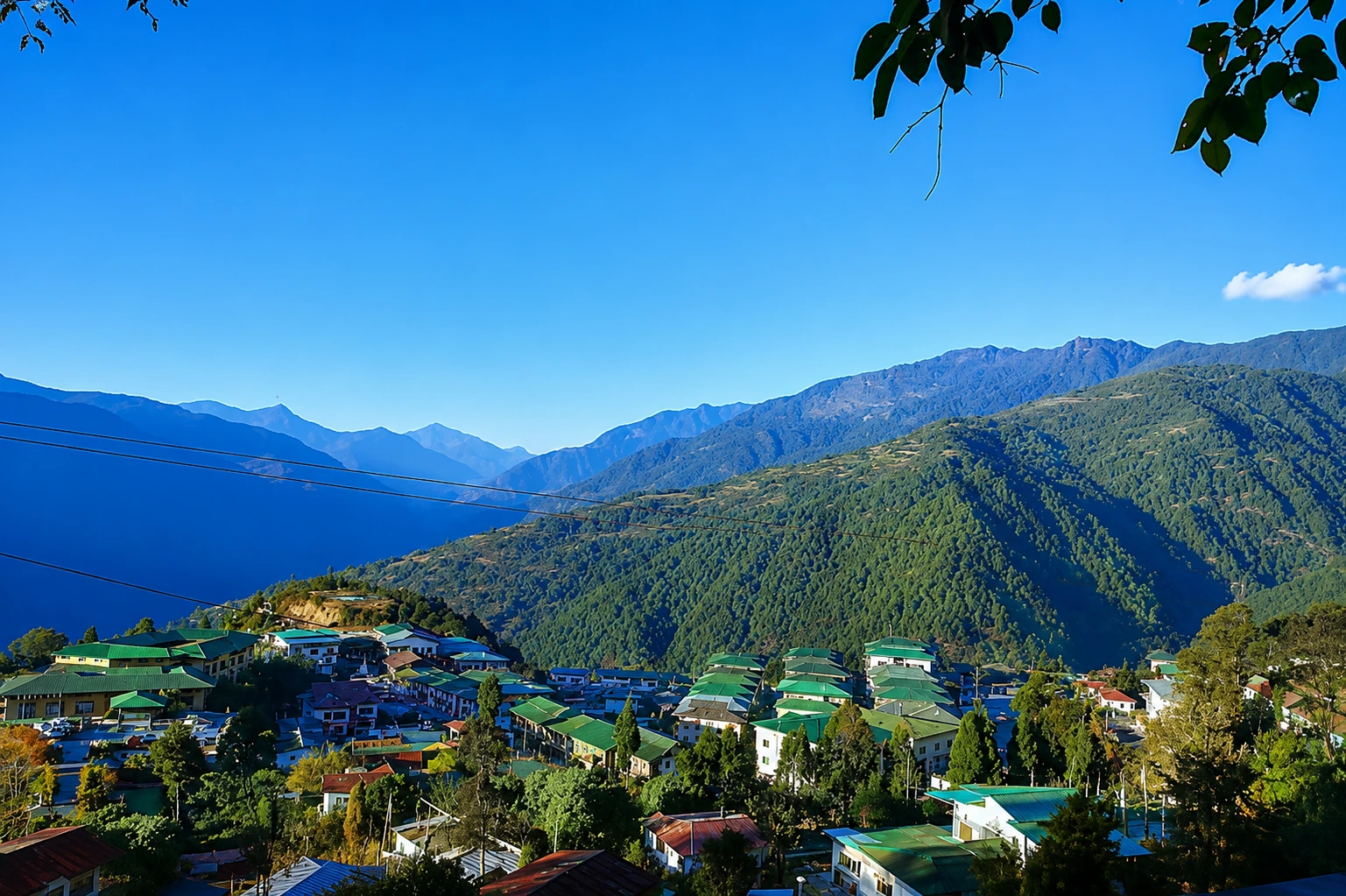
Mongar is often the first real sign that you have left the familiar western circuit of Bhutan tourism behind. The journey itself is part of the experience, with roads carved through dense forests, climbing steep ridges, and dropping into valleys that feel increasingly remote. You do not simply arrive in Mongar; you just slowly transition into it.
The town sits on a hillside with layered views across deep valleys. It is one of the newer districts in Bhutan in terms of development, but still deeply connected to traditional identity.
The Mongar Dzong stands as a strong example of adaptive Bhutanese architecture, built to withstand the steep terrain while still reflecting the spiritual and administrative importance of dzongs in Bhutanese culture.
What defines Mongar is not a single attraction, but the feeling of movement. You are no longer in central Bhutan. Instead, you are entering something larger, quieter, and less predictable and for travellers interested in Bhutan tourism beyond the west, Mongar is the beginning of that shift.
Trashigang: The Cultural Core of Eastern Bhutan
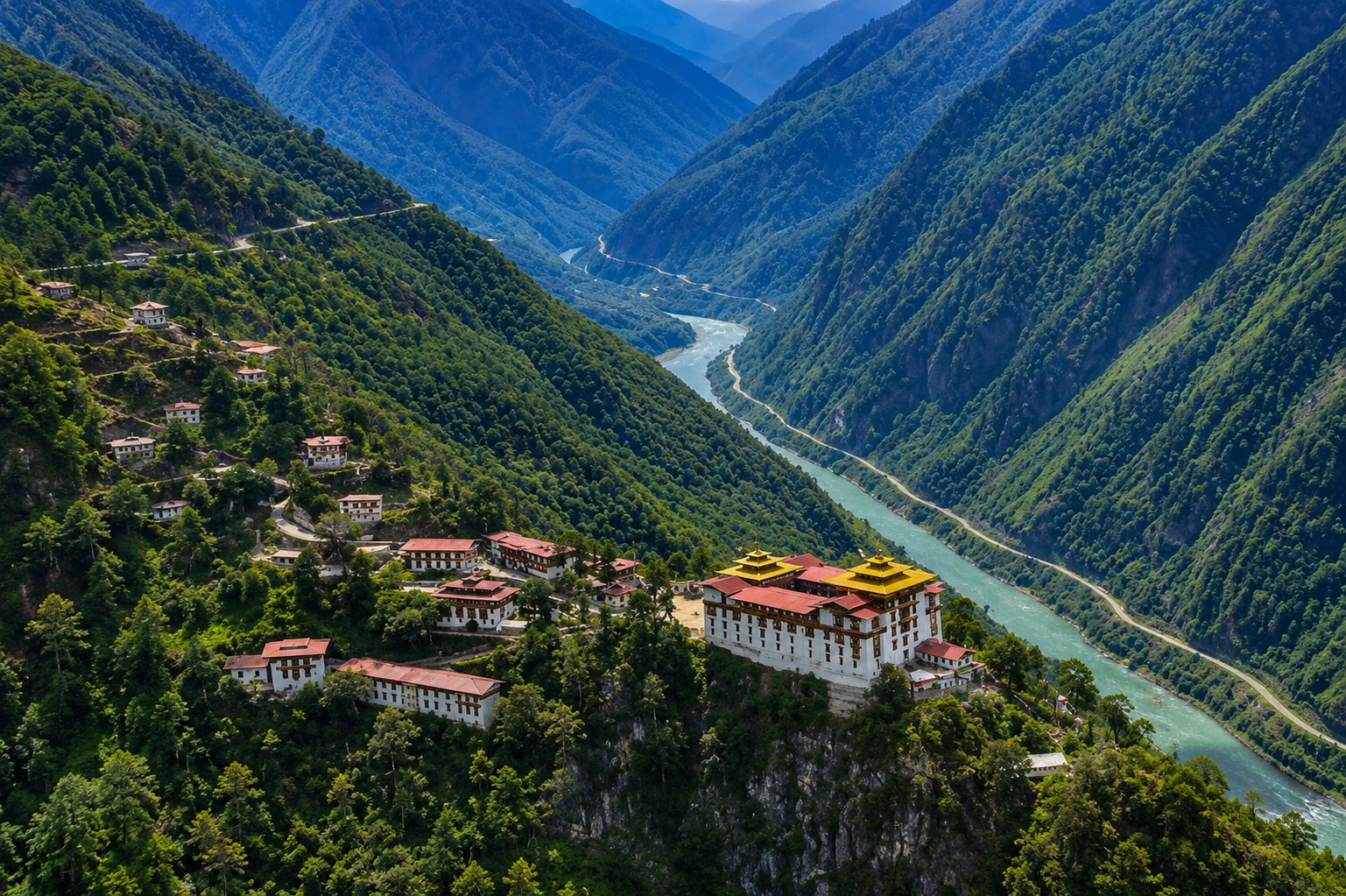
Trashigang is widely regarded as the cultural and economic heart of eastern Bhutan, but that description only makes sense once you experience its rhythm. The town is built into steep terrain above the Dangme Chhu river. Everything feels layered, with homes, farms, schools, markets, and monasteries all existing within the same vertical landscape.
The Trashigang Dzong is not isolated from daily life. It remains active, used for administration, community gatherings, and religious festivals. It is a living structure, not a preserved monument.
What makes Trashigang important in Bhutan tourism is its authenticity. There is no separation between daily life and cultural identity here. People wear traditional textiles casually, markets are local rather than staged, and conversations are not shaped by tourism.
This is where visit Bhutan begins to feel less like sightseeing and more like observation. After all, Trashigang is one of the cultural and agricultural heartlands of eastern Bhutan
Trashiyangtse: The Valley of Sacred Craft and Devotion
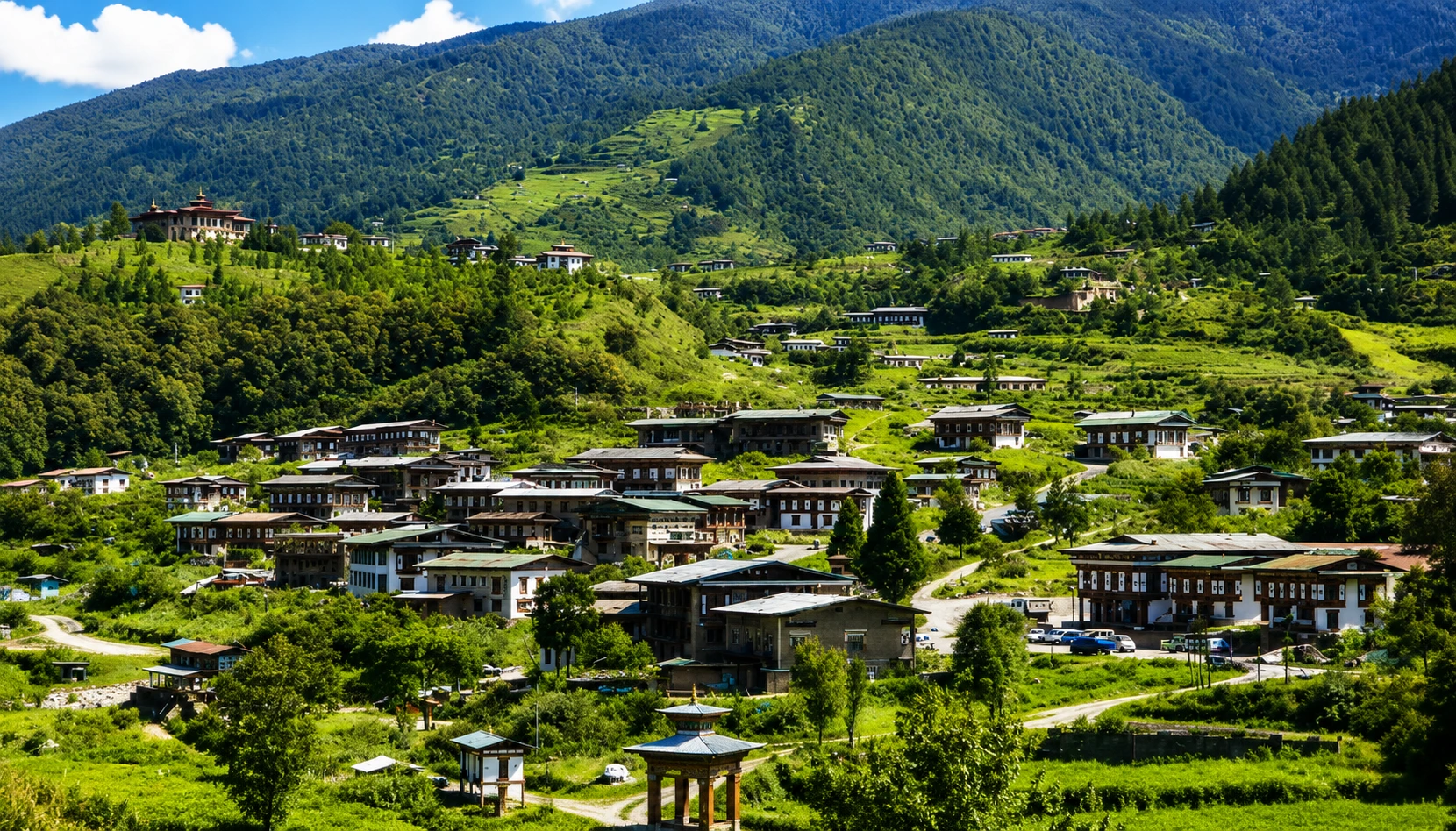
Trashiyangtse is one of the most culturally refined districts in eastern Bhutan, known for its deep connection to craftsmanship and spirituality. Unlike more commercial craft centres in the western region of the kingdom, the traditions here are still embedded in daily life. Wooden bowls, handmade paper, and traditional carving techniques are passed down through families rather than formal institutions.
The spiritual centre of the region is the Chorten Kora stupa. During festival seasons, the valley transforms completely. Pilgrims arrive from across Bhutan, and even neighbouring regions, and the stupa becomes a moving circle of devotion, storytelling, and ritual.
For travellers exploring Bhutan tourism in a more meaningful way, Trashiyangtse is where culture is not displayed, but lived continuously. It is also one of the strongest examples of how visit Bhutan can shift from visual appreciation into cultural understanding.
Lhuentse: The Ancestral Depth of Bhutan
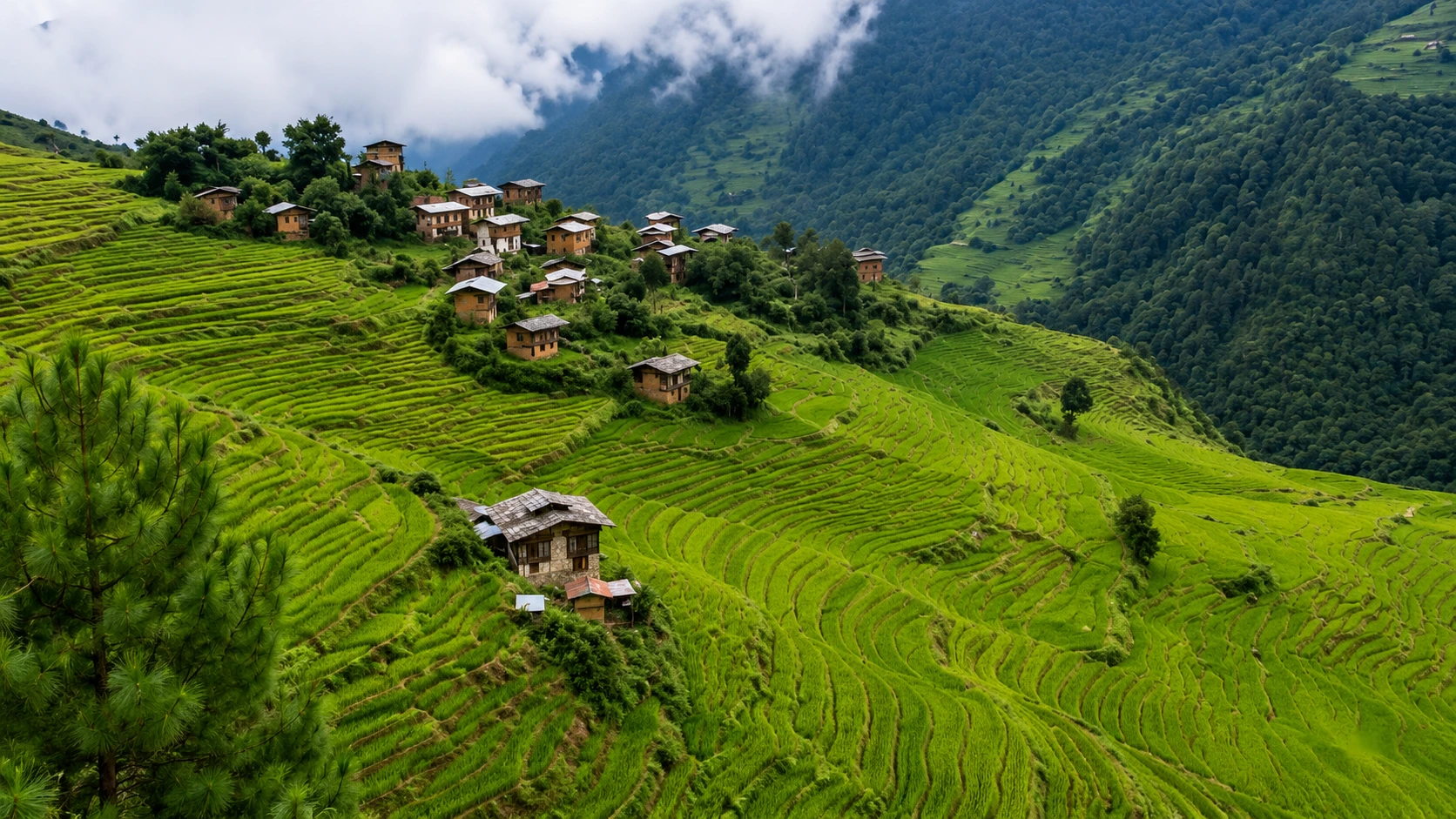
Lhuentse is one of the most remote and historically significant regions in eastern Bhutan. The journey here is long, slow, and often physically demanding. Roads wind through cliffs and river valleys with minimal settlement in between. This isolation is not accidental because it has preserved a cultural depth that is difficult to find elsewhere.
Lhuentse is the ancestral homeland of Bhutan’s royal family, but it does not present itself through grandeur. Instead, it feels quiet, restrained, and deeply rooted in tradition. The region is especially known for its textile heritage, particularly kushuthara weaving. These textiles are not decorative objects but carry cultural meaning, identity, and status within Bhutanese society.
In terms of Bhutan tourism, Lhuentse represents the idea that the most meaningful places are often the least accessible. This is not a destination for quick travel because it is a place that requires time and attention.
Merak and Sakteng: The Highland World Beyond the Ordinary
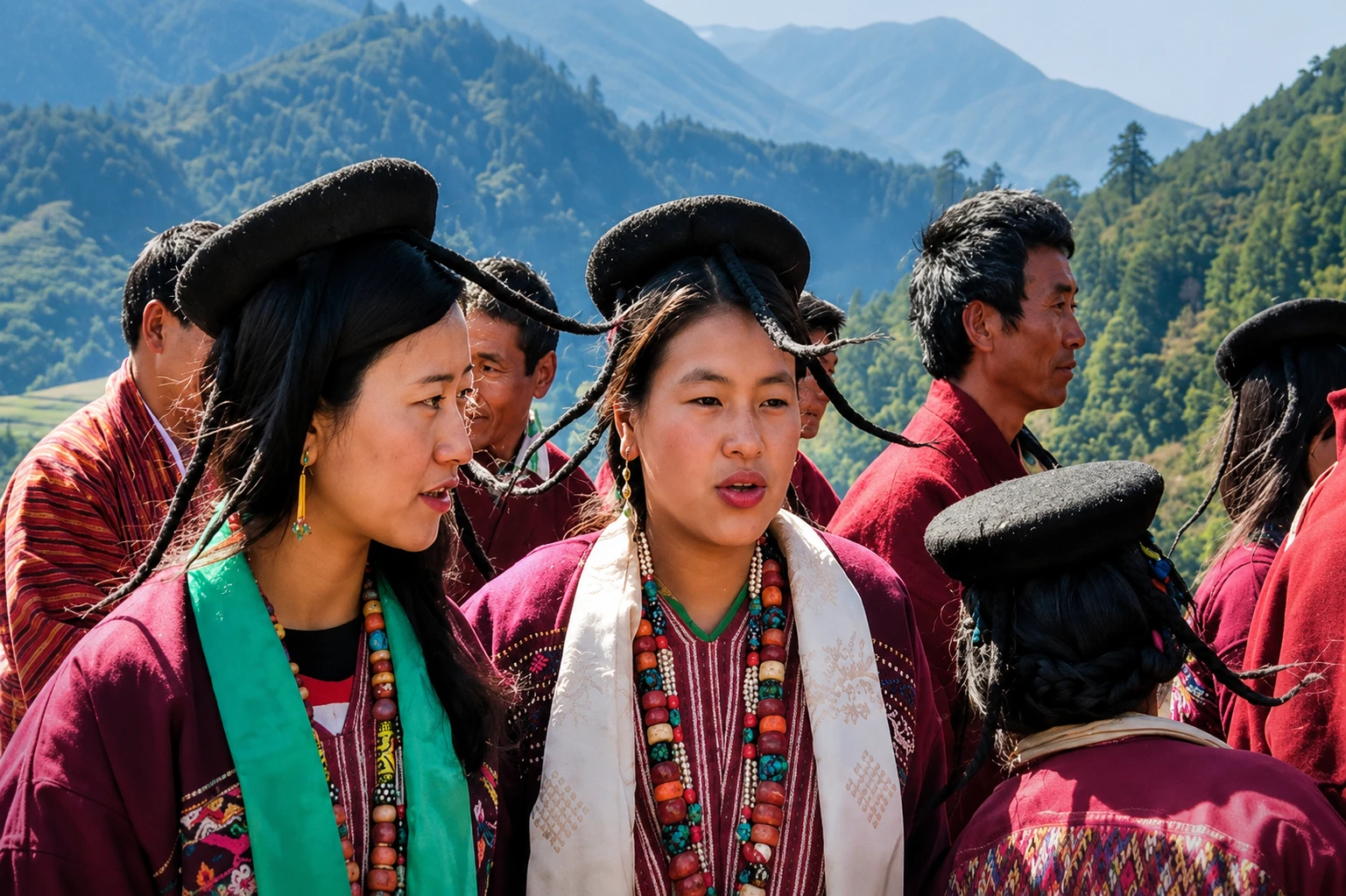
Merak-Sakteng is one of the most culturally distinct regions in the entire country. Home to the Brokpa people, this highland area exists at a much higher elevation than most of Bhutan. Life here revolves around yak herding, seasonal migration, and survival in a harsh alpine environment.
What makes Merak and Sakteng extraordinary is not just the landscape, but the cultural separation. The Brokpa community maintains its own dialect, clothing traditions, and social practices that differ significantly from mainstream Bhutanese culture.
Trekking into this region is one of the most immersive experiences in eastern Bhutan. It is physically demanding, often remote, and intentionally far from comfort-based tourism.
For those seeking authentic Bhutan tourism, this is one of the clearest examples of what it means to step outside curated travel. Here, visit Bhutan becomes an experience of presence rather than observation.
Pema Gatshel: The Gentle Rhythms of Rural Life
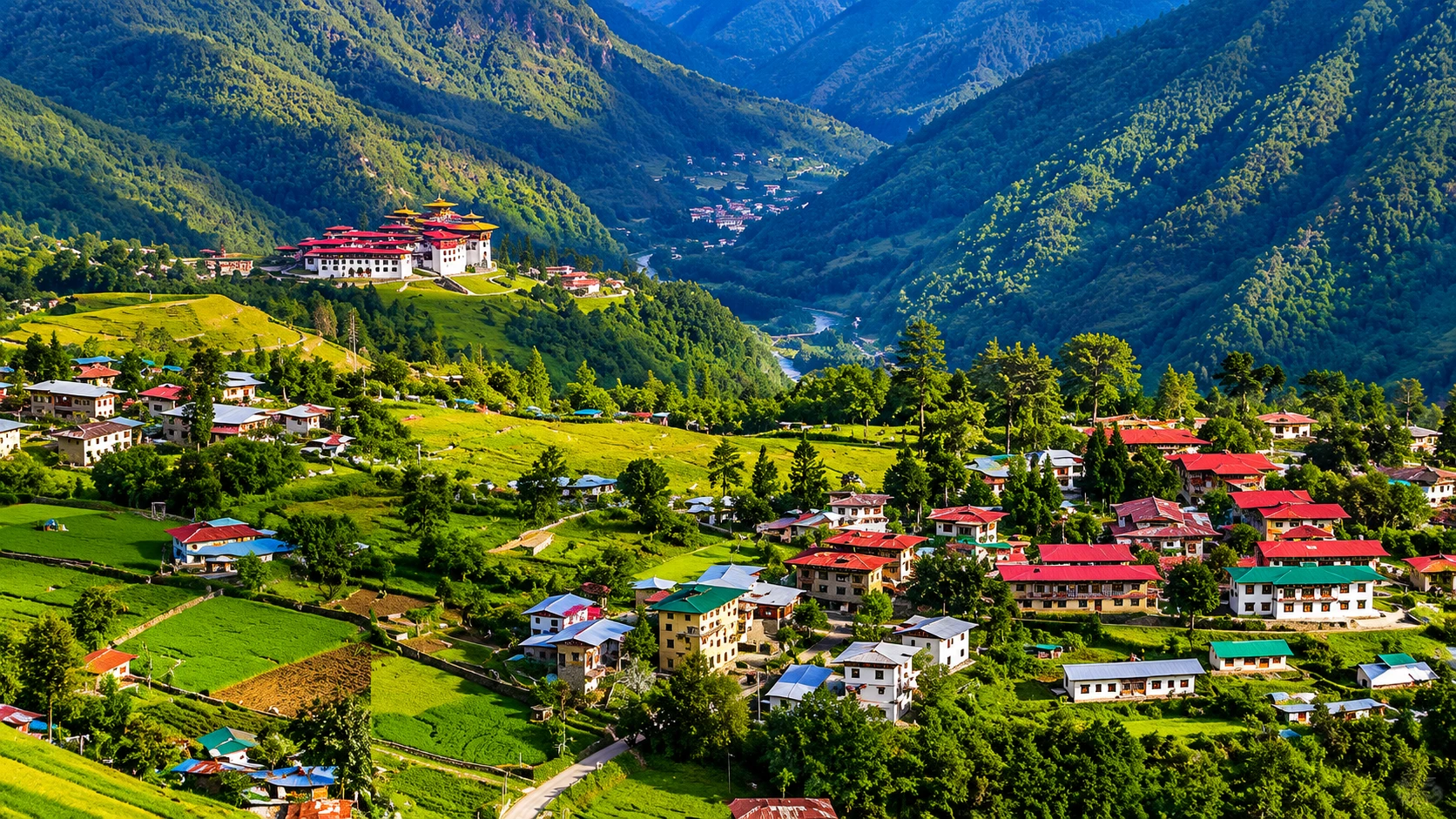
Pema Gatshel offers a very different expression of eastern Bhutan. The landscape is softer, with rolling hills, fertile valleys, and scattered rural settlements. Agriculture is central to daily life, shaping both Bhutanese economy and culture.
Unlike more remote highland regions, Pema Gatshel feels more accessible, but it does not lose its authenticity. Villages remain closely connected, and traditions continue through community-based living.
Festivals here are deeply communal because they are not designed for tourism but for social and spiritual continuity. Within Bhutan tourism, this region represents balance. It is not dramatic or extreme, but steady, grounded, and deeply human.
Samdrup Jongkhar: The Living Edge of Bhutan
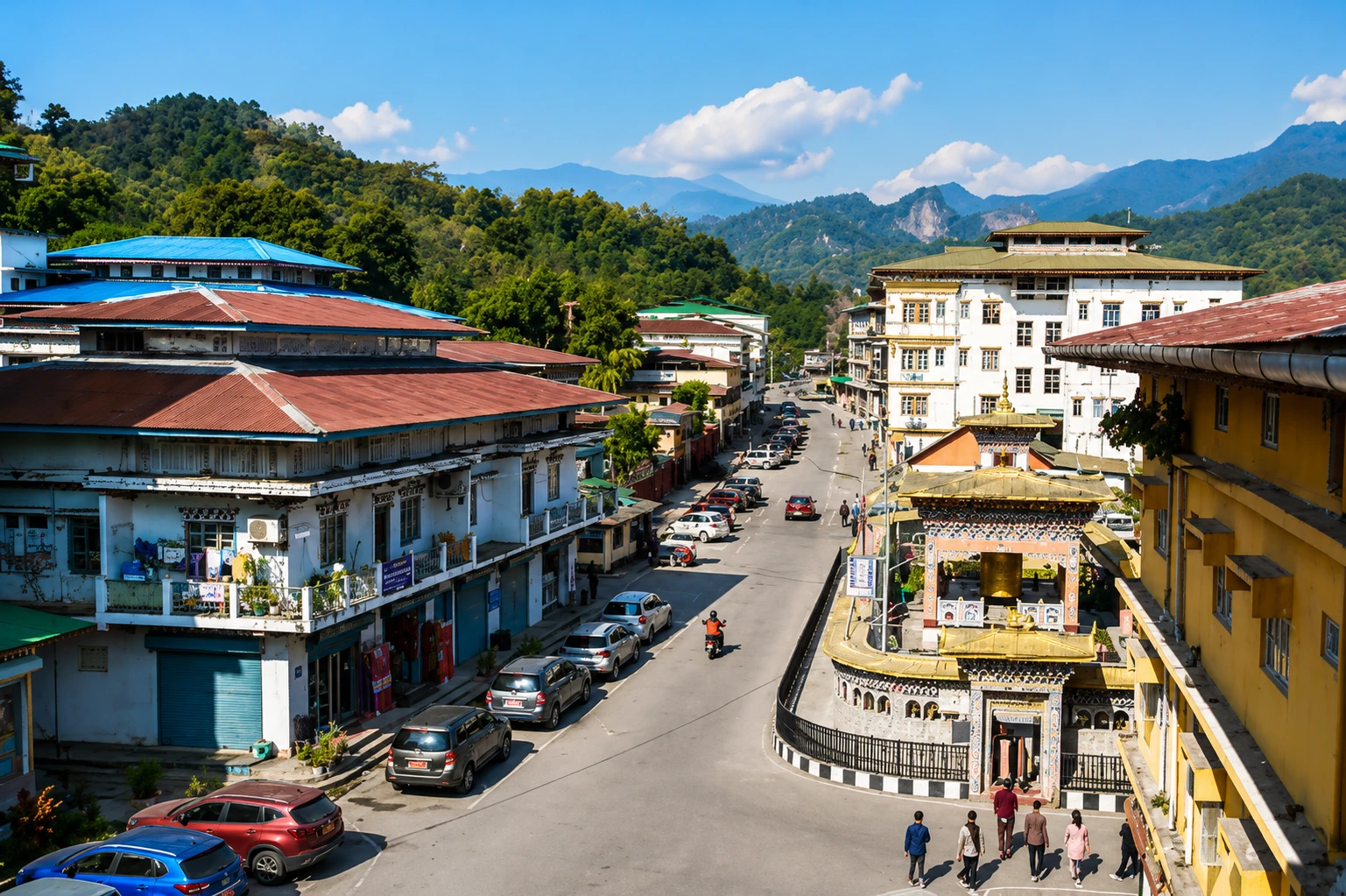
Samdrup Jongkhar sits at the southeastern edge of Bhutan, forming one of the country’s key border connections with India. As a result, it is more active and commercially dynamic than many other parts of eastern Bhutan. Trade, movement, and cultural exchange are visible here in everyday life.
However, despite being a gateway town, it still maintains a strong Bhutanese identity. Monasteries, local markets, and community spaces remain central to its structure.
For many travellers, this is either the first or last impression of eastern Bhutan. And it is an important one, because it shows how Bhutan exists at its edges, not just its centre. In terms of visit Bhutan journeys, Samdrup Jongkhar frames the transition into or out of a deeper regional experience.
Why Eastern Bhutan is Essential to Bhutan Tourism?
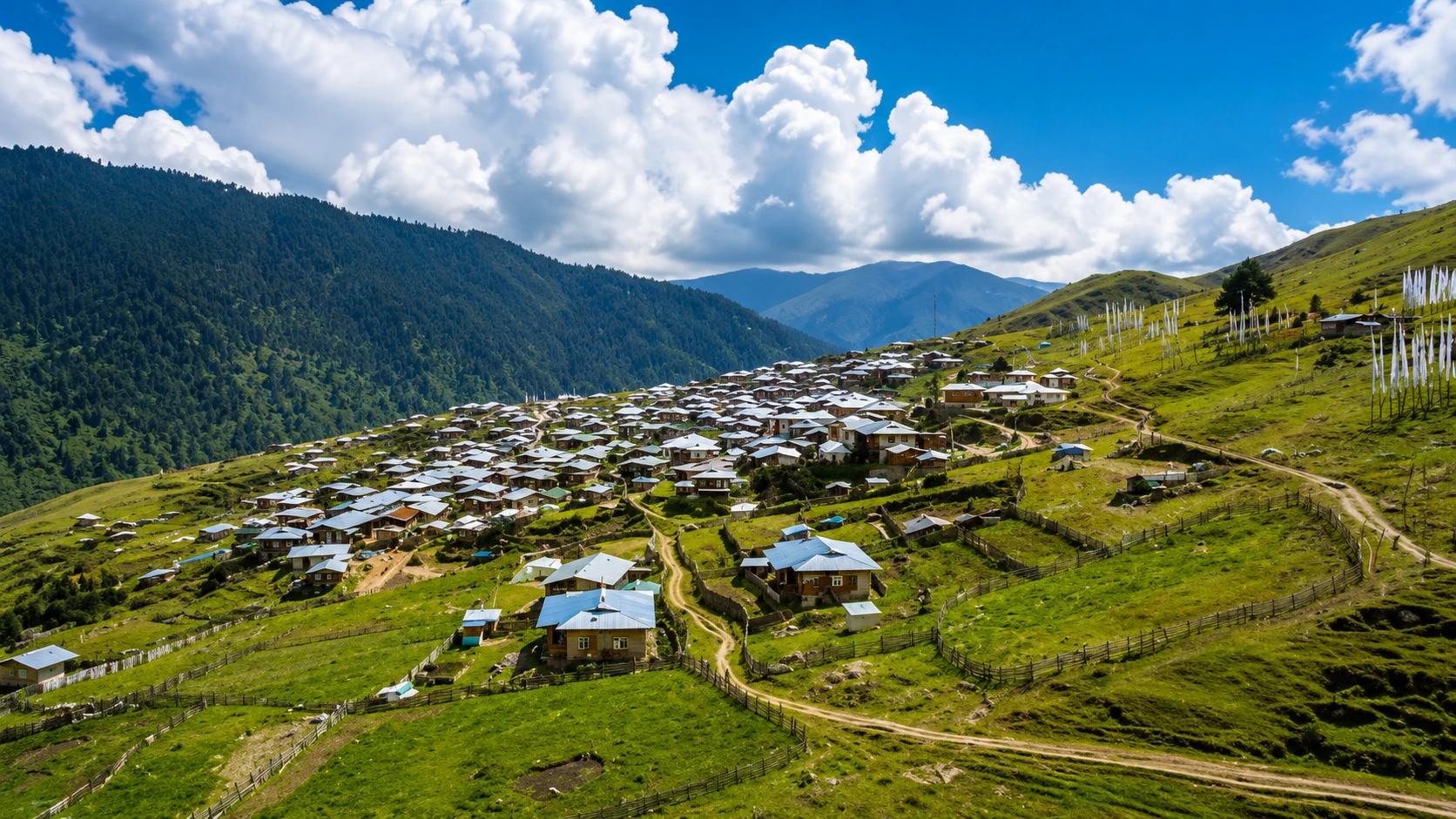
Eastern Bhutan is not simply an extension of western Bhutan. It is a completely different expression of the same kingdom, shaped by distinct landscapes, cultures, and ways of life that set it apart within Bhutan tourism.
Compared to the west, eastern Bhutan is less developed in terms of tourism infrastructure, but it is far richer in cultural diversity and lived tradition. It is less curated for visitors, yet more authentic in experience. It is less photographed, but far more deeply felt and remembered.
For anyone seeking to truly understand Bhutan tourism, eastern Bhutan is not optional but essential. It expands what it means to visit Bhutan by challenging the idea of Bhutan as a single, unified travel experience. Instead, it reveals a country made up of distinct regions, identities, and living cultures that continue independently of tourism.
In this way, eastern Bhutan completes the picture of Bhutan, offering a deeper and more holistic understanding of the kingdom beyond its most visited western valleys.
Final Takeway
Eastern Bhutan does not rely on landmarks or spectacle to leave an impression. It stays with you through its quiet consistency, the long winding roads, the still valleys, and the feeling that life is unfolding completely on its own terms, regardless of who is passing through.
And that is what makes it powerful. Because long after you leave, what lingers is not just what you saw, but how it felt to move through a Bhutan that was never shaped for you, yet still welcomed you in its own way.
If you are ready to experience Bhutan beyond the usual routes, explore eastern Bhutan with Druk Heritage and discover the side of the kingdom most travellers never truly reach!