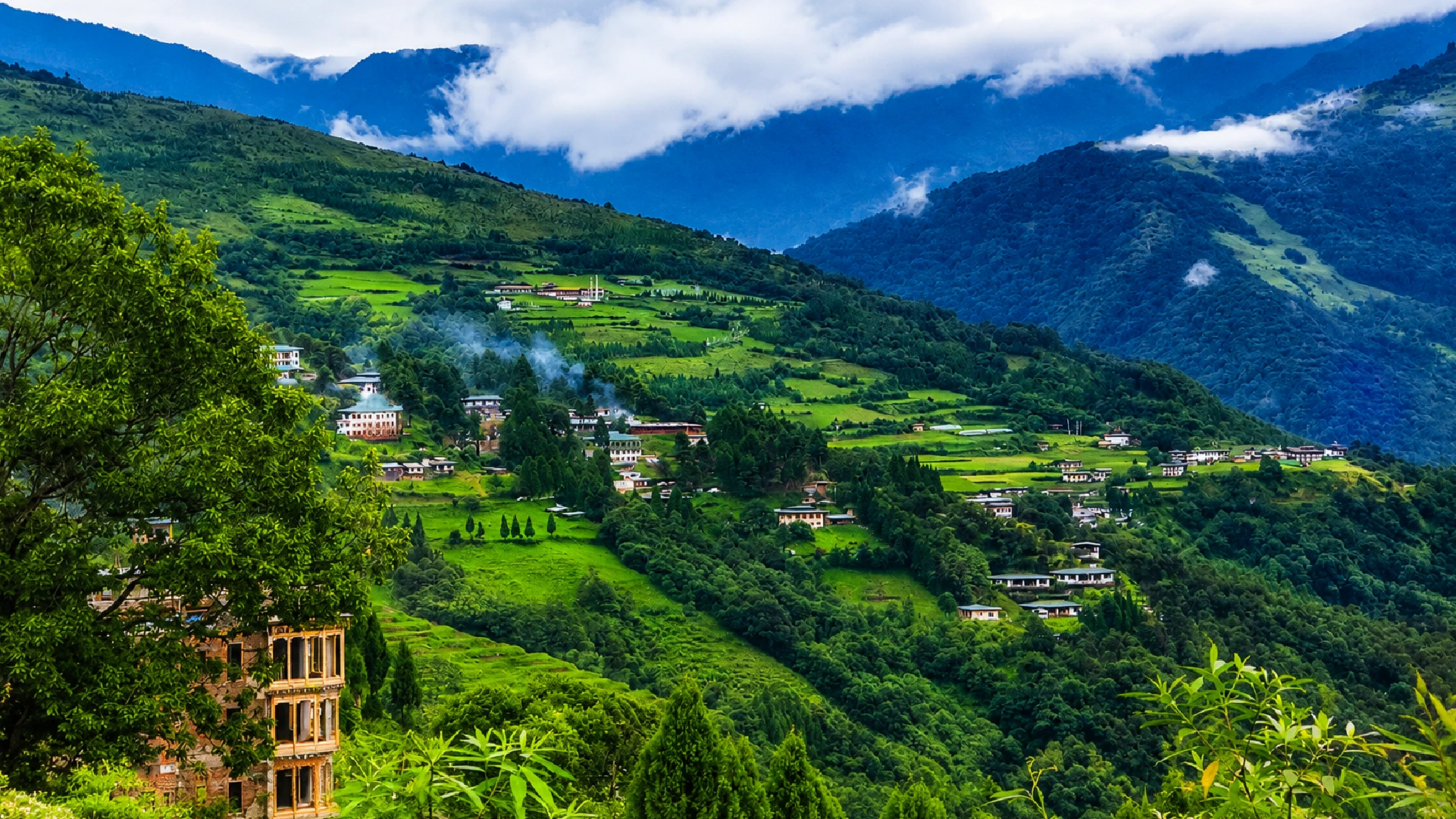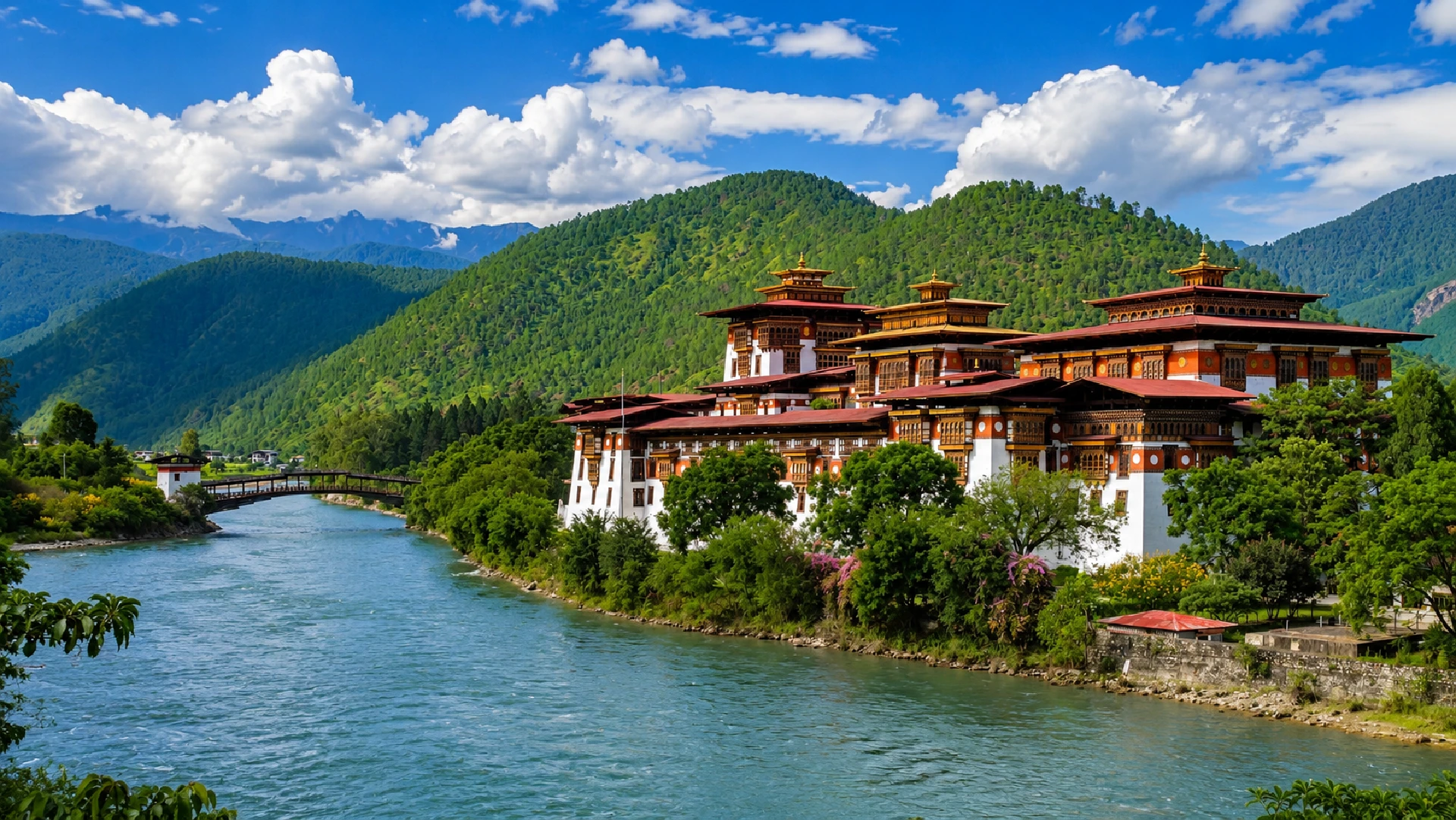

While Bhutan’s popular western trails are a must-see for any adventurer, have you ever considered exploring beyond? Eastern Bhutan presents a pristine wilderness in the lesser-known dzongkhags, offering ancient pathways and birdwatching sanctuaries in untouched landscapes.
Ecotourism in Bhutan provides unparalleled eco-friendly adventures for those seeking more sustainable travel experiences. Mongar, Trashigang, Lhuntse, and Trashiyangtse are rich in biodiversity and cultural heritage. With diverse trekking routes, these regions are perfect for eco-conscious adventurers looking to immerse themselves in nature while supporting Bhutan’s conservation efforts.
Mongar: Feathered Frontiers Of Eastern Bhutan
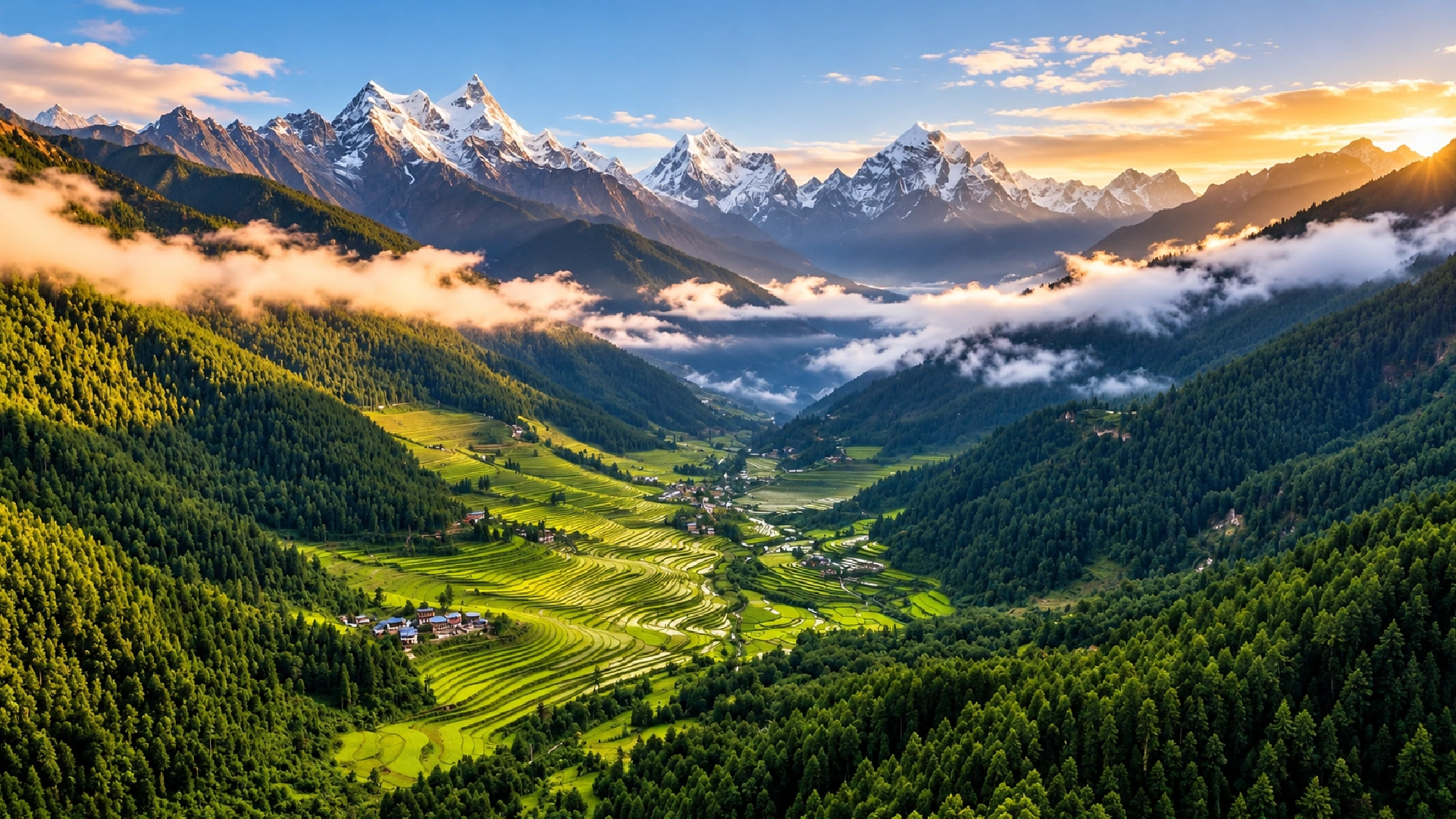
The road leading to Mongar offers one of the most scenic drives in Bhutan. As you wind your way through lush forests and past towering cliffs, you’ll be treated to breathtaking vistas of rhododendrons in full bloom. On a clear day, you might even catch a glimpse of Gangkhar Puensum, a contender for the world’s highest unclimbed mountain.
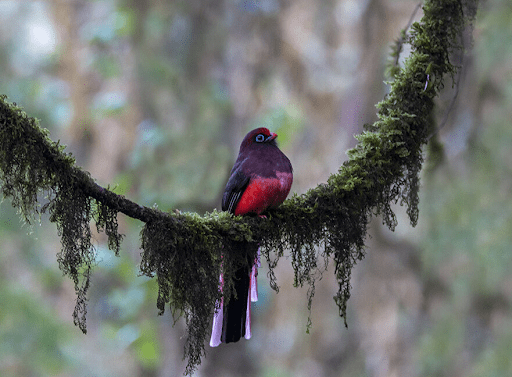
Mongar’s rich biodiversity and lush forests make it a haven for birdwatchers. Explore Eastern Bhutan’s birdwatching trails and encounter some of Bhutan’s rarest and most fascinating species.
Already gaining recognition as a premier birding destination, Mongar boasts 301 recorded bird species along the Trans Bhutan Trail from Latongla to Zhongar. The area offers a diverse range of habitats, home to both resident and migratory birds, including several vulnerable and near-threatened species. In addition to birding, Mongar is embracing agro-tourism, offering visitors the chance to experience traditional farming practices firsthand.
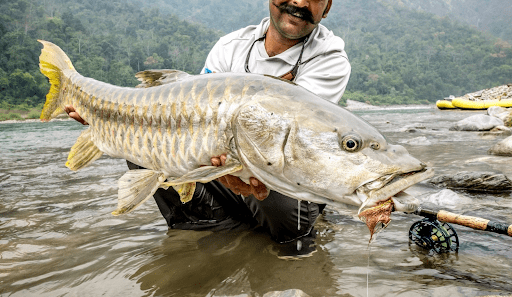
For those interested in fly fishing, the Kuri-Gongri River at Yangbari is a prime spot for mahseer fishing. Eco-conscious travelers will also be excited by the potential for an enduro mountain biking race, promising breathtaking views and heart-pounding thrills.
If you’re seeking historic sites in Mongar, Aja Ney and the ruins of Zhongar Dzong are must-visits. Aja Ney is a sacred cave where Guru Rimpoche meditated, leaving behind 100 imprints of the sacred syllable “Aa.” The ruins of Zhongar Dzong, an old trade route connecting eastern and western Bhutan, are steeped in local folklore.
Complementing these experiences, plans are already underway to establish a local craft market alongside modern café facilities. Mongar’s central location in eastern Bhutan makes it a perfect stopover for tourists, whether they’re looking for a cup of coffee or unique local crafts they can take as souvenirs.
Trashigang: Where History Meets Biodiversity
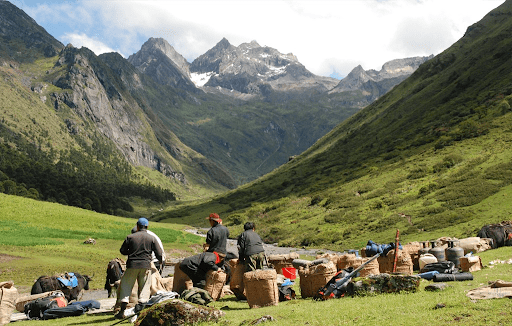
Have you been looking for ecotourism in Bhutan that seamlessly combines a journey through time? Trek the ancient trade routes of Trashigang, where history and nature intertwine seamlessly.
These revitalized trails, including the routes between Khaling and Lumang, Radhi and Merak, and the Chenla trek in Kangpar, offer stunning landscapes and a glimpse into Bhutan’s rich cultural heritage. As Trashigang prepares to become a major ecotourism destination, it is restoring these historic trekking paths.
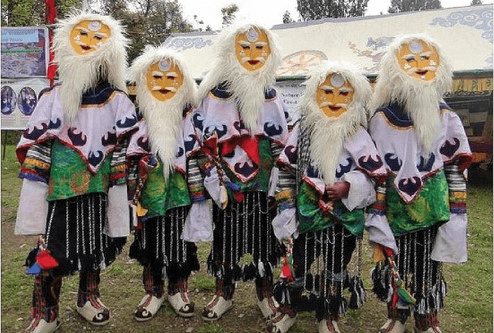
Celebrating both nature and culture, Trashigang will host a one-week Rhododendron Festival at Sheteymi next year, 2025. This event will showcase the region’s floral diversity—41 of Bhutan’s 46 rhododendron species can be found in the Merak and Sakteng areas—while offering highland communities a platform to share their unique traditions.
Nature enthusiasts will find plenty to explore in Trashigang’s Sakteng Wildlife Sanctuary, home to rare species like the Red Panda, Royal Bengal Tiger, and over 20 endangered animals. With 77% of the area covered in lush forest, the region is a birdwatcher’s paradise. Khaling and Lumang gewogs, with 250 recorded bird species, are emerging as premier birdwatching destinations.
Notably, tourists may spot the Satyr Tragopan alongside the rare Temminck’s and Blyth’s Tragopan, the only place in Bhutan where all three species can be seen in the same area. The prime birdwatching seasons run from March to May and September to November.
For butterfly enthusiasts, the dzongkhag offers the chance to observe two rare species: Bhutanitis ludlowi and Ludlow’s Bhutan Glory, adding another layer of biodiversity to this eco-friendly adventure.
Lhuentse: A Spiritual Journey Through Nature
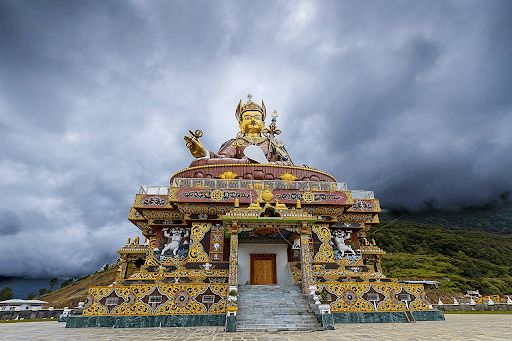
Lhuentse, a captivating blend of natural beauty, cultural landmarks, and sacred monasteries, offers an unforgettable experience for those seeking spirituality and adventure. This ancient dzongkhag in Eastern Bhutan invites visitors to explore its tranquil landscapes while connecting with Bhutan’s rich cultural heritage.
As the ancestral home of the Wangchuck dynasty, Lhuentse dzong played a pivotal role in Bhutan’s history. Its museum showcases artifacts and exhibits that provide insight into the region’s past. Phunying Pass, a scenic trade route between Bhutan and Tibet, adds to Lhuentse’s historical charm.
Lhuentse’s focus on ecotourism in Bhutan has led to the development of trekking routes and spiritual retreats, allowing visitors to connect with nature and their inner selves while exploring this enchanting region.
Singye Dzong, a sacred pilgrimage site, is being developed as a key eco-tourism destination, while Khoma, renowned for its traditional weaving, is highlighted as a craft village where visitors can witness Bhutan’s age-old textile craftsmanship firsthand.
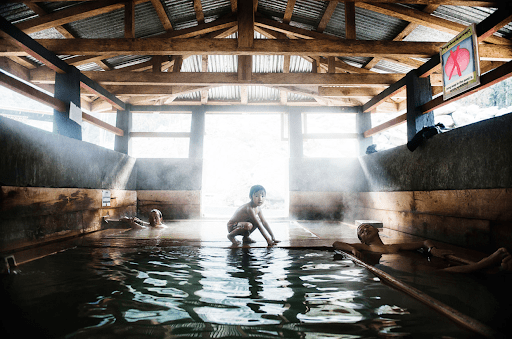
Plans are also underway to enhance Ney Tshachu (hot spring) and Khanpalung Tshachu with new infrastructure, including an information center, café, and eco-lodge, to offer a more comfortable experience for travelers.
For trekking enthusiasts, Lhuentse’s untouched trails like Phuningla and Rodungla provide a rare opportunity to immerse in the region’s pristine wilderness while discovering sacred pilgrimage sites. This combination of cultural richness and natural beauty ensures an authentic Bhutanese experience.
The region’s potential as a unique eco-tourism destination continues to grow, drawing eco-conscious travelers from around the globe seeking an off-the-beaten-path adventure.
Ever wondered how Eastern Bhutan has maintained such a strong commitment to sustainability? Bhutan has a long-standing tradition of valuing environmental conservation and harmonious living. Read BHUTAN: WHERE HAPPINESS AND SUSTAINABILITY MEET to learn more.
Trashiyangtse: A Pilgrimage Into Nature’s Heart
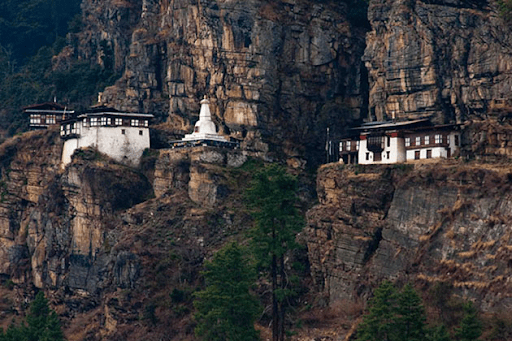
Trashiyangtse is more than just a pilgrimage destination in eastern Bhutan—it’s a haven for biodiversity. Nestled in Bhutan’s tranquil landscapes, this region reflects the country’s deep commitment to preserving its rich wildlife and natural heritage.
With sacred pilgrimage sites and an abundance of biodiversity, Trashiyangtse is quickly becoming a unique cultural and eco-tourism hotspot. Notable landmarks like Gom Kora, Chorten Kora, Omba Nye, Pemaling, Dechenphodrang, Kharchendrag, and Rigsum Goenpa draw pilgrims and nature lovers alike. The region is also home to the national butterfly, Ludlow’s Bhutan Glory, and serves as a vital winter roosting ground for the endangered Black-necked crane.
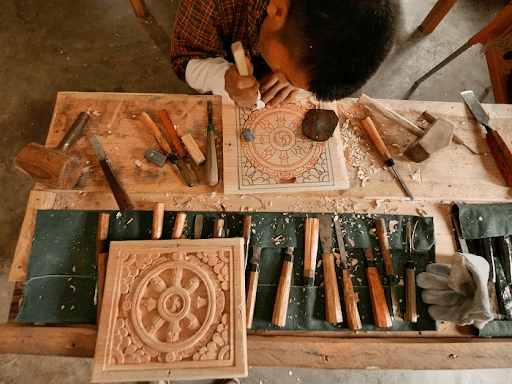
The valley is blessed with stunning natural beauty, diverse flora and fauna, and a deep cultural heritage. Visitors can engage with local traditions, such as learning the art of woodcraft through dapa making, and sample local delicacies like the unique Urka Bangala (chili).
To further enhance the visitor experience, there are plans to develop infrastructure at sacred pilgrimage sites like Sheridzong and Pemaling. Additionally, the Ludlow’s Bhutan Glory trail, a nature trail that spans from Zhapang to Rigsum Goenpa and onward to Dechenphodrang, will provide eco-conscious travelers with an immersive way to explore both the region’s wildlife and cultural treasures.
Trashiyangtse truly offers sacred pilgrimage sites, untouched nature, and rich biodiversity, highlighting the region’s appeal to those seeking a deeper connection with nature and Bhutanese culture.
Ready to unlock the keys to ecotourism in Bhutan? Read UNVEILING BHUTAN’S HIDDEN GEMS: A MEMORABLE TOUR IN BHUTAN and uncover Bhutan’s hidden gems.
Conclusion
From the vibrant birdlife in Mongar to the spiritual sanctuaries of Trashiyangtse, eastern Bhutan stands as the next frontier in sustainable ecotourism. With its unspoiled wilderness and hidden cultural gems, this region offers a rare opportunity for adventurers seeking both serenity and discovery.
Take the road less traveled and immerse yourself in Bhutan’s untouched beauty with Druk Heritage as your guide. We specialize in creating customized, eco-friendly travel experiences that unlock the secrets of eastern Bhutan. From breathtaking landscapes to rich wildlife and vibrant local traditions, this journey will leave you in awe of nature’s magnificence.
Allow Druk Heritage to take you on a transformative adventure where you can connect deeply with Bhutan’s pristine environment and timeless culture—an experience that will stay with you long after you leave.
The treasures of eastern Bhutan await, and with Druk Heritage, you’ll experience nature at its finest while treading lightly on this sacred land.